 Multiple Faces Detected



 September 29th, 2023
Search Anyone
One of the things you might be excited about during the holiday season is scoring the best deals online and expecting quick deliveries at your doorstep. However, con artists are quick to embrace and take advantage of this shopping behavior through delivery scams. To experience safe and stress-free holiday shopping, find out below the major red flags to watch out for!

6 Major Red Flags You Should Watch Out For
The holiday season may be an ideal time to shop for gifts and other items you might need for the occasion. However, you should stay vigilant and learn to identify the following red flags to avoid different forms of delivery scams.
1. Unsolicited Messages About a Delivery
The first warning sign includes unexpected communications from delivery companies. For instance, you will receive an email informing you of a delivery that you missed. You might think it’s legitimate as the message even includes logos of Federal Express, the U.S. Postal Service, and other known package delivery services. This is the first step in a phishing Scam. If you are suspicious of an email sending you information about a package, run a reverse email search to make sure it is coming from a legitimate company.
2. Suspicious Tracking Links
Another major red flag is the suspicious tracking link attached to unexpected texts or emails. You will be asked to click on this link to update your preferred mode of payment and delivery. However, once you open the link, you’ll be taken to a website that aims to collect your personal and financial information.
Other links install malware on your computer or mobile device to steal your personal information. Make sure to hover over the link first to find out the real address.
3. Pressure To Act Immediately
Scammers may sound nice and friendly, especially when they call you randomly regarding a fake delivery. However, they’ll ask you to decide and act instantly to get the package. Once you insist that you did not order anything and refuse to share any crucial information, their tone and behavior change. Some scammers may guilt trip you and send threats that your account will be compromised.

4. Requests for Money
Delivery scams during the holiday season usually involve requests for money, so they can send you the “package.” Common reasons include the tax or customs fee. However, note that you’re not supposed to pay to get your package.
You must have paid the shipping fees already when you purchased the product. Beware of strange payment methods too, like wire transfer, because these are easy ways for scammers to take your money.
5. Requests for Personal Information
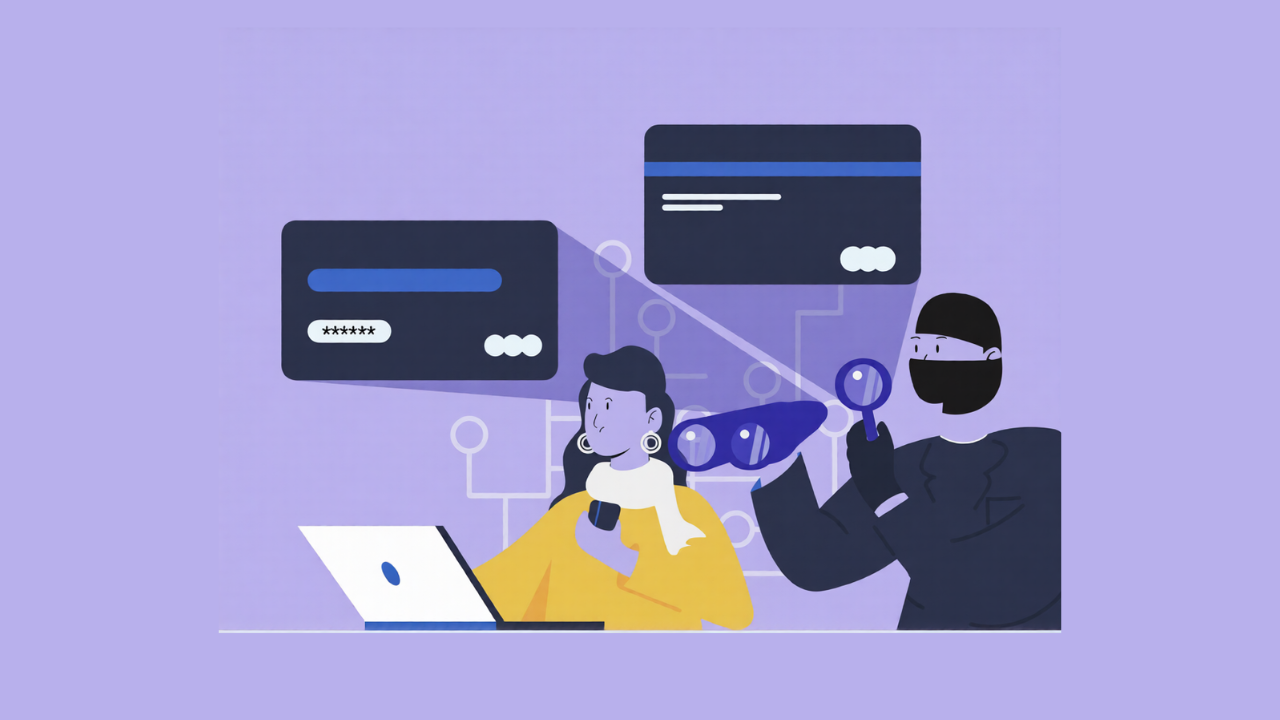
One clear warning sign of delivery scams is the request for personal and financial details. According to FedEx and UPS, they won’t collect your personal information through strange emails and text messages. While scammers say they need to “re-confirm” your financial and other personal information, their only goal is to steal it and gain access to your bank account.
6. Misspellings and Poor Grammar
Fake delivery notifications either via text or email may also include several spelling, typographical, and grammatical errors. You might notice a lot of exclamation points and weird capitalization. The website addresses may have extra characters or typos too. For example, instead of fedex.com, you’ll notice fed-ex.com or fedx.com.

Holiday Delivery Scams: Detect Them With Social Catfish
As more people go online shopping this holiday season and look forward to the deliveries, scammers can’t wait to benefit from another money-making scheme through delivery scams. Run a reverse image search to make sure that the person or company you’re talking to is who they say they are. Search any name, phone number, username, or email address to find the truth about whoever you’re talking to.