
 Multiple Faces Detected



 December 23rd, 2025
As 2025 draws to a close, the threat of online deception has reached unprecedented levels. According to the Federal Trade Commission, Americans reported losing more than $12.5 billion to fraud in 2024, a 25% increase from the previous year. With impersonation scams surging by 148% between April 2024 and March 2025, the scale of the problem is undeniable.
AI-powered deepfakes and sophisticated catfishing operations are making it harder than ever to spot fake profiles. Romance scams continue to devastate victims financially and emotionally, with scammers recycling the same stolen photos across countless fake accounts to build false trust and extract money.
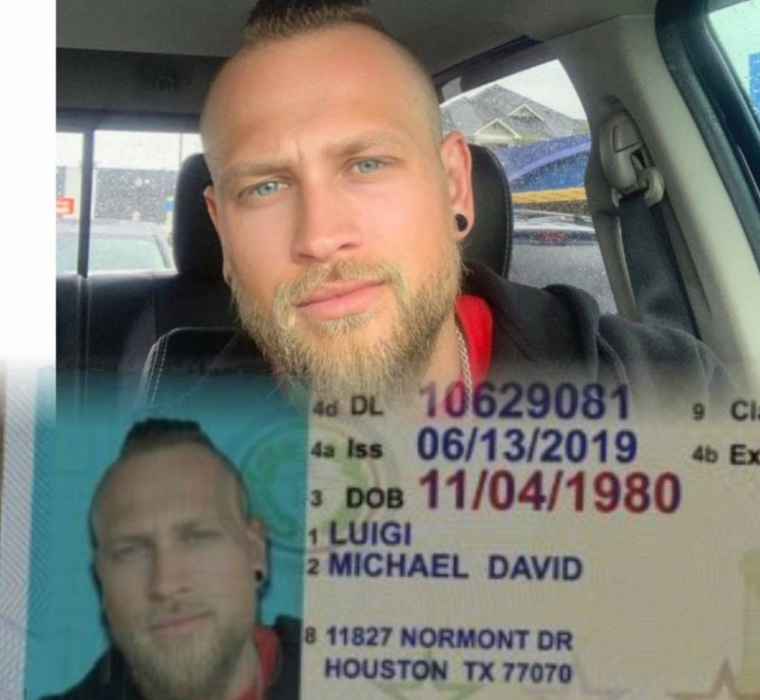
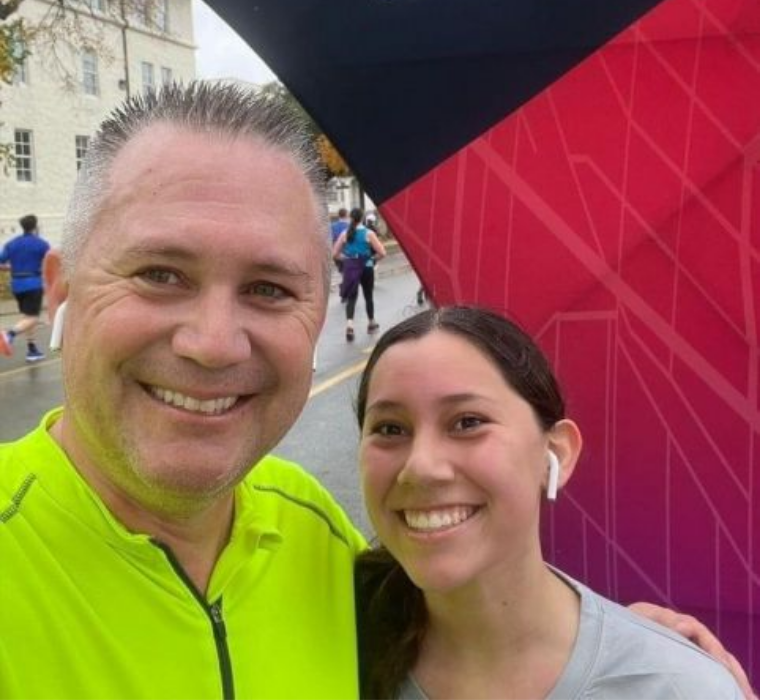
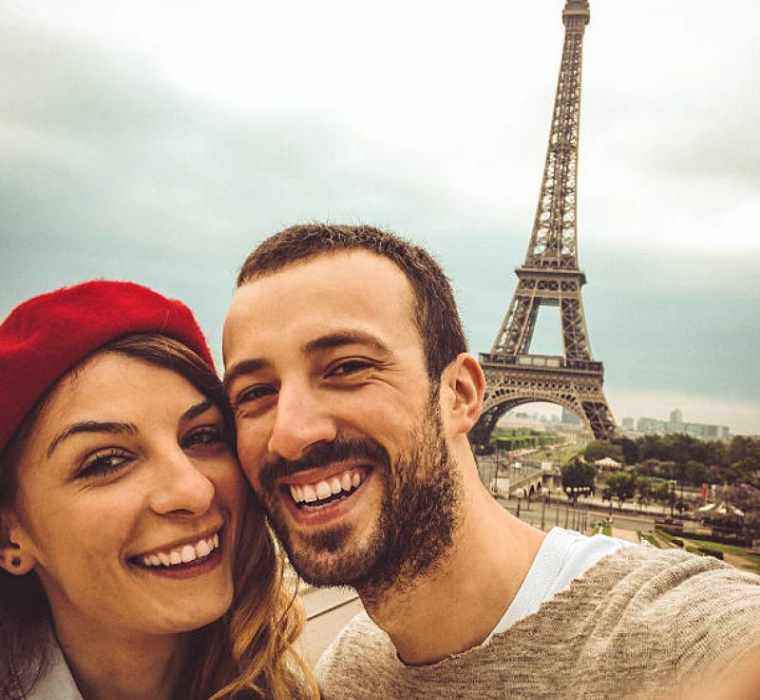
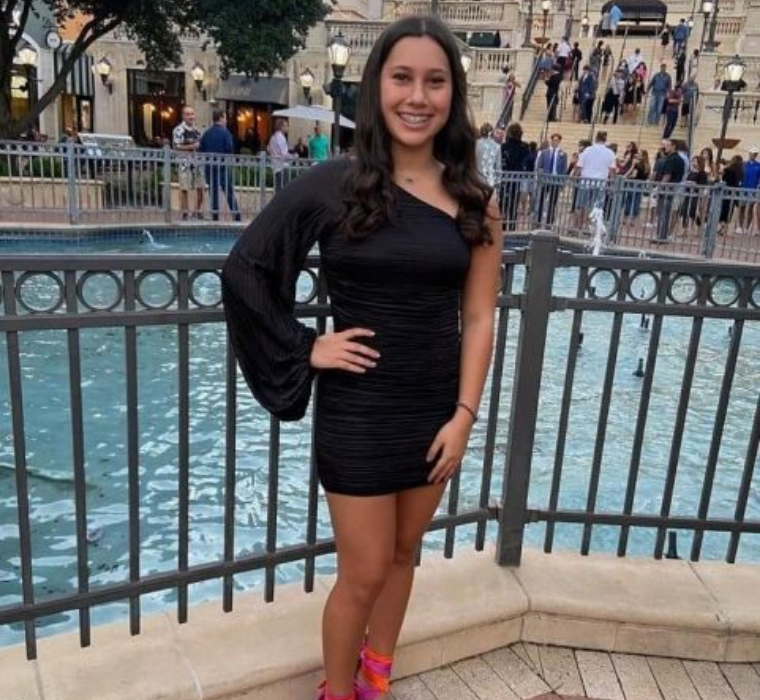
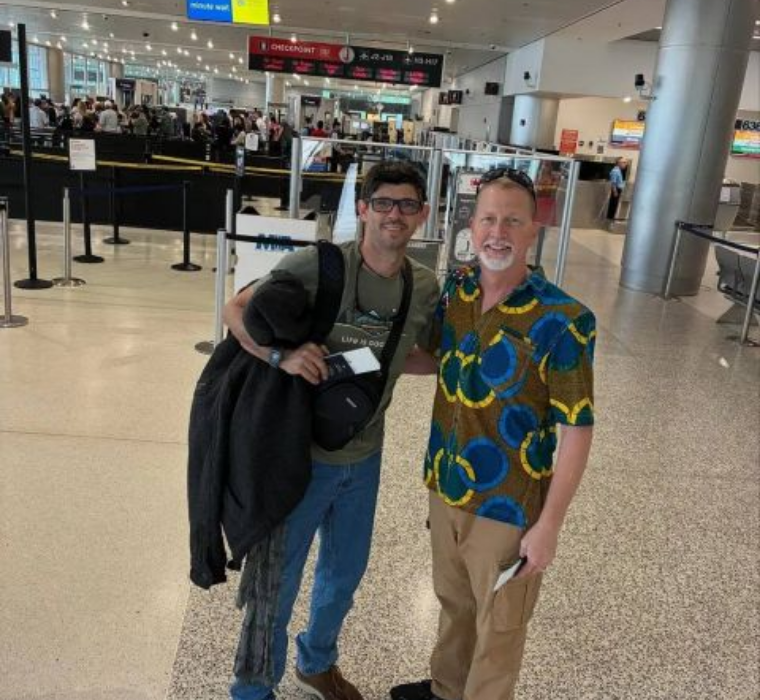
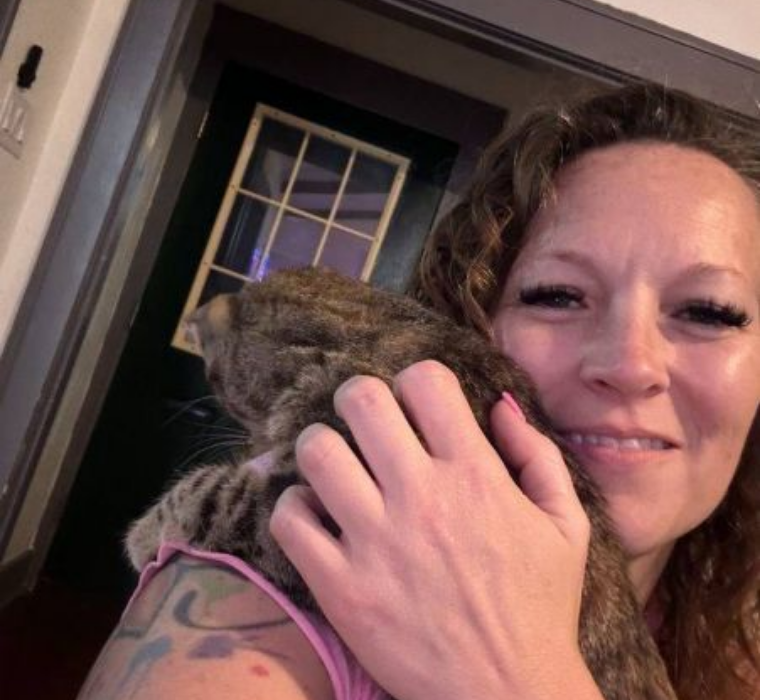
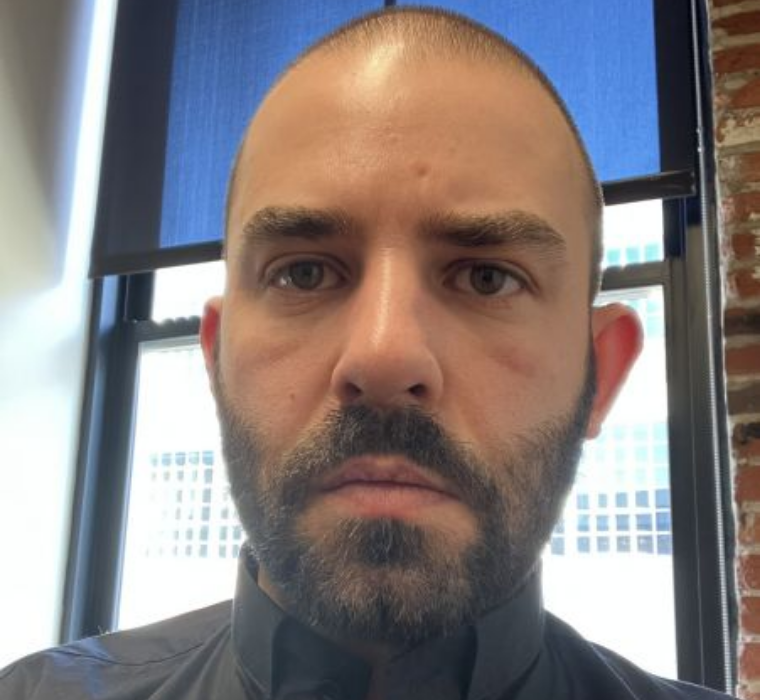
At Social Catfish, we’ve been at the forefront of combating online fraud, helping thousands of people verify their identities and expose scammers. Understanding which images fraudsters use most frequently is your first line of defense. Here are the 100 most commonly used catfish photos we identified in 2025. Recognizing these faces could save you from becoming the next victim.
Protect Yourself: Social Catfish’s Verification Tools
When you’re suspicious of someone’s online identity, Social Catfish offers multiple ways to verify who you’re really talking to:
Reverse Image Search – Upload any photo to discover where else it appears online. If that profile picture shows up across dozens of dating sites under different names, you’ve caught a scammer red-handed.
Reverse Phone Lookup – Enter a phone number to reveal the owner’s identity, location, and associated profiles.
Reverse Email Search – Trace an email address to uncover the person behind it and any connected online accounts.
Name Search – Look up someone’s full name to find their social media profiles, public records, and contact information.
Username Search – Track down profiles across multiple platforms using just a username.
Don’t wait until you’ve lost money or been emotionally manipulated. Use Social Catfish’s tools to verify identities before you trust, invest time, or share personal information with anyone online.
5 Ways to Spot Fake AI-Generated Photos
Scammers aren’t just stealing real photos anymore; they’re using AI to create entirely fabricated identities. These synthetic images are becoming more convincing, but they still have telltale flaws. Here’s what to look for:
1. Anatomy Anomalies – Look closely at hands, fingers, and limbs. AI often generates extra fingers, missing digits, or limbs that bend unnaturally or disappear into clothing.
2. Text and Logo Failures – Any text on clothing, signs, or backgrounds often appears as gibberish, backwards, or nonsensically misspelled. AI struggles to render readable text accurately.
3. Uncanny Perfection – If someone looks impossibly flawless, with overly smooth skin, unnaturally symmetrical features, or a plastic, cartoonish quality, it’s likely AI-generated. Real photos have imperfections.
4. Lighting Inconsistencies – Check the shadows. Is the person clearly in sunlight but casting no shadow? Are shadows falling in multiple directions? AI often fails to render realistic lighting physics.
5. Blurred Boundaries – Examine where accessories meet skin or clothing. Do glasses melt into the face? Does a watch blur into the wrist? Does hair blend unnaturally into the background? These transition zones expose AI generation.
Trust your instincts. If something feels off about a photo, run it through Social Catfish’s reverse image search immediately.
2025 Catfish Photo Watchlist: Top 100




















































































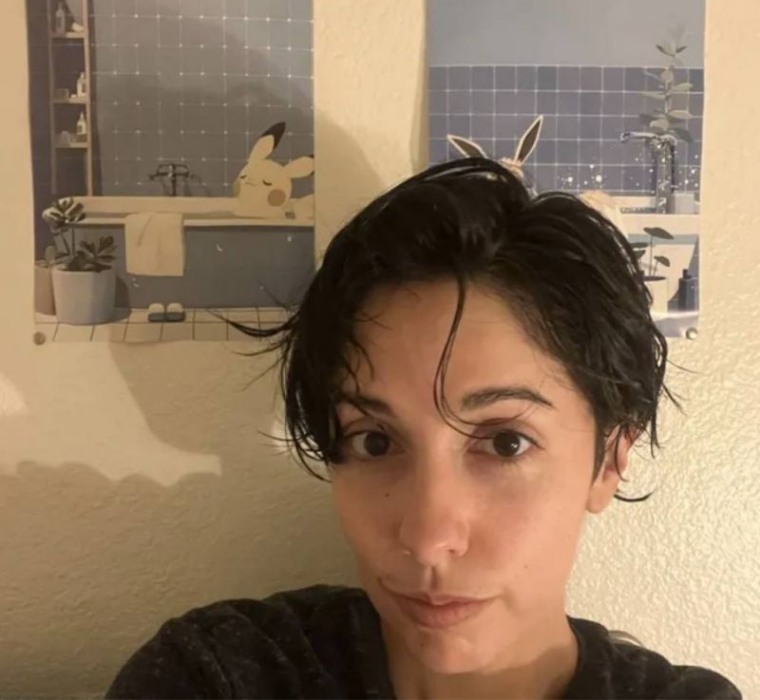








Tips to Avoid Romance Scams
Romance scams can happen to anyone. Protect yourself with these essential precautions:
Verify before you trust. Run a reverse image search on Social Catfish and check their name, phone number, and email before getting emotionally involved.
Never send money. Legitimate romantic interests don’t ask for financial help, gift cards, cryptocurrency, or “emergency” funds, especially before meeting in person.
Insist on video calls. Scammers make excuses to avoid live video. If they won’t video chat after multiple requests, walk away.
Watch for red flags. Instant declarations of love, requests to move off dating platforms, sob stories, and pressure tactics are classic scammer moves.
Trust your gut. If something feels off, too perfect, too fast, too convenient, it probably is. Don’t let emotional manipulation override your instincts.
5 Steps to Take If You Have Been Scammed
Report immediately. File reports with your local police, the Federal Trade Commission at ReportFraud.ftc.gov, and the FBI’s Internet Crime Complaint Center at ic3.gov. Documentation helps authorities track and stop scammers.
Cut all contact. Block the scammer on every platform. Don’t respond to apologies, threats, or new accounts claiming to “help” recover your money. These are often the same scammers running secondary schemes.
Secure your accounts. Change all passwords, enable two-factor authentication, and monitor your bank statements and credit reports for suspicious activity. Consider placing a fraud alert on your credit.
Seek support. Romance scam victims often experience shame, depression, and isolation. You are not alone; reach out to family, friends, or a counselor. Organizations like the AARP Fraud Watch Network offer support specifically for scam victims.
Stay vigilant. Scammers share victim lists. Once targeted, you may be approached again with “recovery” scams or new romantic advances. Never send money to anyone you haven’t met in person, no matter how convincing their story.
Stay Safe in 2026 and Beyond
The 100 photos in this report represent just a fraction of the images scammers weaponize to exploit trusting people every day. As AI technology advances and fraud tactics become more sophisticated, staying informed is your greatest protection.
Romance scams thrive on isolation and shame. By sharing this information and talking openly about these threats, we can protect ourselves and our communities. If you recognize any of these photos or suspect you’re being catfished, don’t wait. Search their photo on Social Catfish now and get the truth.
Your safety is worth the extra step.