
 Multiple Faces Detected



 September 22nd, 2026
Thursday is a dating app with a simple premise: the app only works on Thursdays. Profiles unlock at 12:01 am, matches and messages disappear by midnight, and if you want to meet someone, you send them a direct date invite with a location and a time rather than chatting indefinitely. Founded in London in 2021 by George Rawlings and Matt McNeill Love, the app is now live in approximately 26 cities across six markets. It also requires a government-issued ID to join, which is either the most serious anti-catfishing stance any mainstream dating app has taken or a significant privacy trade-off, depending on how you look at it. Both things are true.
Name Search Examples
To get more accurate results, enter the full name including at least First name, Middle name and Last name.
Email Search Examples
Phone Search Examples
Username Search Examples
Address Search Examples
Start typing the initial part of the address and select from the addresses given dropdown afterward.
We Respect Your Privacy.
How the One-Day Model Works

The Thursday-Only Unlock
Thursday’s central mechanic is its time constraint. The app is completely inactive for six days a week. On Thursday, everything becomes available: profiles, likes, matches, and messaging, and by midnight it all resets. Any matches you have made and any conversations you have started are gone. You start fresh the following Thursday.
What the design is solving for:
The founders built Thursday around the observation that most people use dating apps as a background task rather than as a path to an actual date, swiping passively for weeks or months without any real intention of meeting anyone. The weekly reset removes the ability to defer indefinitely. If you match with someone on Thursday and want to see them, you have until midnight to make something happen.
Direct Date Invites, Not Open Chat
Thursday does not have an open chat interface the way most dating apps do. When you match with someone, the expectation is that you invite them to meet at a specific location and time rather than starting an indefinite text conversation. The format is designed to make the purpose of the app explicit from the moment of matching: you are here to go on a date, not to maintain a texting relationship with someone you have never met.
The psychological shift this creates:
Most dating app conversations collapse because neither person wants to be the one to propose an actual meeting. Thursday’s format resolves this by making the date invite the default action rather than a step that requires building up to it. Whether that structure suits you depends on how comfortable you are with speed and low-information decision-making.
Cities and In-Person Events
Thursday is live in approximately 26 cities across the United States, United Kingdom, Ireland, Australia, Canada (Toronto), and Sweden (Stockholm). Beyond the app itself, Thursday also runs in-person events in approximately 150 cities pop-up dating events that operate independently of the app and extend the brand into markets where the app is not yet fully live.
The Identity Check Most Dating Apps Do Not Do
What Thursday Requires
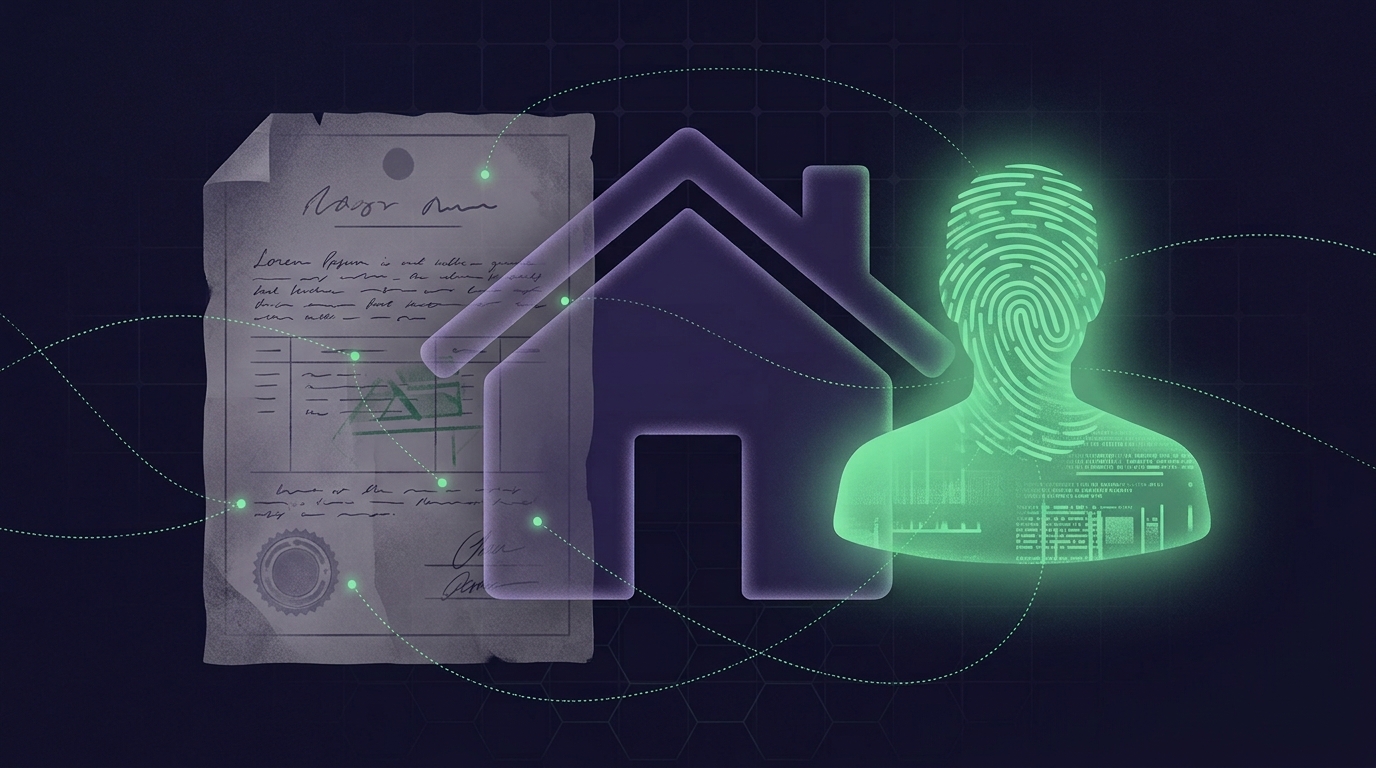
Thursday requires every user to upload a government-issued ID, a driver’s license or passport, before being allowed to use the app. This is not optional and cannot be bypassed. The verification is processed through a third-party service, and your account is not activated until the ID check is complete.
What this is intended to do:
The mandatory ID check is explicitly framed as an anti-catfishing measure. The logic is straightforward: if every user has verified a real government identity, fake profiles are significantly harder to create and sustain. You cannot easily create a burner account on Thursday the way you can on apps that require only an email address or phone number to sign up.
The honest safety value:
For what it claims to do, the ID requirement is genuine. A person who has submitted a real government ID to join the app has created an accountable record. The friction involved in creating a fake account on Thursday is meaningfully higher than on most dating apps, and the deterrent effect on casual catfishing is real.
The Privacy Trade-Off You Should Know About
The same feature that reduces catfishing creates a different category of exposure. You are submitting a government ID one of the most sensitive identity documents you own to a startup founded in 2021 that is still building its user base and infrastructure.
What this means practically:
- Your ID data is held by a third-party verification service rather than by Thursday directly, but you are trusting both the app and that service with highly sensitive identity information
- If either company experiences a data breach, your government ID is among the exposed data — a meaningfully worse outcome than a typical dating app breach that exposes a phone number or email address
- Thursday’s privacy policy governs how your data is used and stored, and reading it before submitting your ID is worth the five minutes
The honest framing:
This is not a reason not to use Thursday. It is a reason to make the decision consciously rather than breeze through onboarding without thinking about what you are submitting. A dating app with mandatory ID verification is a different privacy commitment than one that requires only an email address, and it is worth understanding that before you join.
What ID Verification Does and Does Not Protect You From
This is the most important section of this review for anyone who joins Thursday because the ID check feels reassuring.
What mandatory ID verification actually confirms:
- The person who created the account submitted a real government ID at the time of signup
- An accountability record exists for that account in Thursday’s verification system
- Creating a completely fabricated identity on the platform is meaningfully harder than on most apps
What mandatory ID verification does not confirm:
- That the profile photos belong to the person who submitted the ID
- That any biographical details on the profile profession, age, relationship goals are accurate
- That the person’s behavior once you leave the app and meet in person is any safer than on an app without ID verification
- That the person who submitted the ID is the same person currently using the account
The last point matters. An account can be created by one person with their own real ID and then used by someone else, or used in ways that do not reflect the identity verified at signup. ID verification at onboarding is a meaningful barrier to fake account creation. It is not ongoing monitoring of whether the account is being used consistently with the verified identity.
The verification gap that matters most:
The photos on someone’s Thursday profile are not verified by the ID check. A person can submit a real government ID, pass the verification, and then use profile photos that belong to someone else entirely. The ID check confirms a real person created the account. It does not confirm the photos are theirs.
Name Search Examples
To get more accurate results, enter the full name including at least First name, Middle name and Last name.
Email Search Examples
Phone Search Examples
Username Search Examples
Address Search Examples
Start typing the initial part of the address and select from the addresses given dropdown afterward.
We Respect Your Privacy.
A Quick Check That Covers What ID Verification Doesn’t
When a Thursday match moves from the app to a real-world meeting, two checks in the minutes after you have their name and photo cover the gap that ID verification leaves open.
Reverse Image Search Their Profile Photo
Save their profile photo and upload it to Social Catfish’s reverse image search before agreeing to a specific time and location.
What this confirms:
A genuine person’s photos appear consistently under their own name across their real social media. A photo that traces back to someone else’s Instagram or appears under a completely different name on another platform tells you that the photos do not belong to the person who verified their ID with Thursday, which is the specific gap the ID check does not close.
Why this takes priority over trusting the ID check:
The ID check tells you a real person created the account. The reverse image search tells you whether the photos match a consistent real identity. Both checks together give you the full picture that either one alone does not.
Cross-Reference Their Name or Username
Once you have their name from the profile or conversation, enter it into Social Catfish’s cross-platform search. The search returns every platform where that identity is active, alongside the real identity connected to it, confirming whether the person’s story is consistent across sources.
If they have shared a phone number:
Enter it into Social Catfish’s reverse phone search. The search confirms whether the number is a real carrier-registered line or a VoIP number with no verified identity a signal that matters even when someone has passed an ID check, since VoIP numbers can be used alongside a verified account.
All searches are completely confidential. Your match receives no notification that a search was run.
Thursday makes you upload a passport. That still isn’t the same as knowing who you’re meeting.
What ID verification confirms
-
The account was created by a real, existing person, not a bot.
-
That person is old enough to legally use the app.
-
Someone, somewhere, was accountable for setting up the account.
What it doesn’t cover
-
Whether the photos and name in the profile you’re matched with are actually theirs.
-
Whether the person messaging you off-app is still the verified account holder.
-
Anything about who you’re actually about to meet in person.
A one-time document upload happens once, at sign-up. Your own check happens right before you meet — a reverse image and username search on their photo and name confirms the match in front of you is the same person Thursday verified in the first place.
Verify Who You’re Really Talking ToPrivate and confidential — only you see the results.
FAQ
Thursday is a dating app that only operates on Thursdays. Profiles unlock at 12:01 am, and matches, messages, and activity all reset by midnight. Instead of open-ended chat, the app uses direct date invites to a specific location and time as the primary interaction format.
Yes. Thursday requires every user to upload a government-issued ID, such as a driver’s license or passport, before activating their account. This is processed through a third-party verification service and is mandatory for all users. The ID requirement is the app’s primary anti-catfishing measure, though it does not verify that profile photos match the submitted identity.
Thursday is live in approximately 26 cities as of 2026, across the United States, United Kingdom, Ireland, Australia, Canada (Toronto), and Sweden (Stockholm). The app also runs in-person dating events in approximately 150 cities through its broader brand presence.
Thursday’s map shows active users in your area on Thursdays, designed around an approximate 500-meter radius. The stated intent is to show nearby availability without pinpointing a precise location. Some users have reported that map precision in practice was sufficient to identify a specific street or block rather than a general area, a gap between the stated privacy design and the reported user experience worth being aware of.
Thursday removes browsing entirely outside of Thursdays, which eliminates the passive background-scrolling behavior most swipe apps enable. The direct date invite format replaces open chat as the primary interaction mode. The mandatory ID verification creates an accountability layer most swipe apps do not have.
Conclusion
Thursday’s one-day model and mandatory ID verification make it one of the more structurally distinctive dating apps available, and both features reflect genuine design intent rather than gimmick. The ID check is a real anti-catfishing measure that raises the bar for fake account creation meaningfully above most apps. The weekly reset genuinely forces a decision rather than enabling indefinite deferral. The trade-offs are real too: submitting a government ID to a growing startup is a different privacy commitment than most apps ask for, and the map feature’s reported precision gap is worth knowing about before you use it in a sensitive location context.
When a Thursday match progresses to an actual meeting, a two-minute reverse image search on their profile photo and a name cross-reference through Social Catfish close the specific gap the ID check leaves open, confirming that the photos belong to the person who verified their identity, not just that a real person created the account.
Name Search Examples
To get more accurate results, enter the full name including at least First name, Middle name and Last name.
Email Search Examples
Phone Search Examples
Username Search Examples
Address Search Examples
Start typing the initial part of the address and select from the addresses given dropdown afterward.
We Respect Your Privacy.