Multiple Faces Detected



 November 19th, 2026
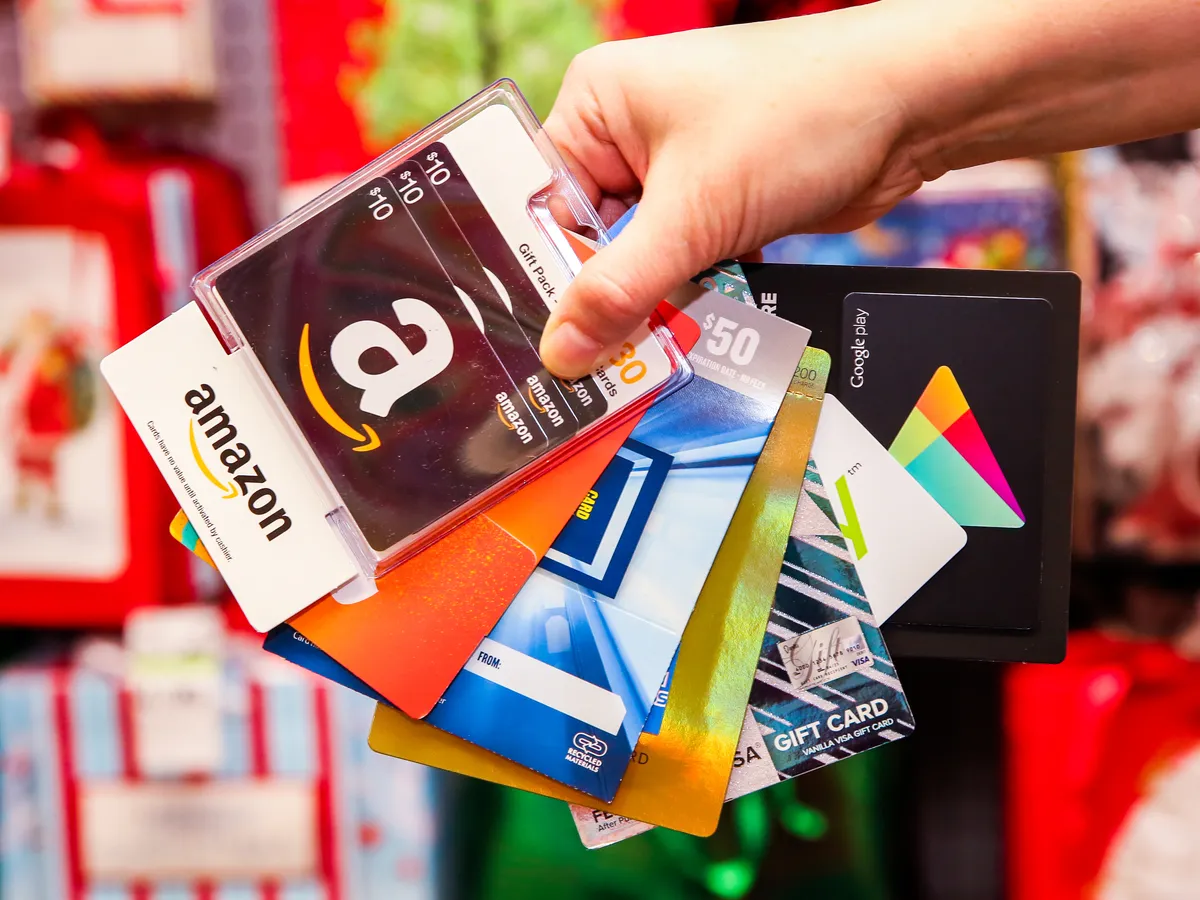
In today’s digital age, where online transactions are commonplace, scammers continue to devise cunning schemes to exploit unsuspecting individuals. One such fraudulent tactic gaining traction is the “Google Play Gift Card Amazon Scam.” This deceptive ploy preys on the trust of consumers by masquerading as legitimate transactions involving Google Play gift cards and Amazon purchases. As more people turn to e-commerce platforms for convenience and accessibility, understanding the nuances of this scam becomes increasingly crucial. In this blog post, we’ll delve into the intricacies of the Google Play Gift Card Amazon Scam, unraveling its modus operandi and providing insights on how to safeguard yourself against falling victim to such fraudulent schemes.
Name Search Examples
To get more accurate results, enter the full name including at least First name, Middle name and Last name.
Email Search Examples
Phone Search Examples
Username Search Examples
Address Search Examples
Start typing the initial part of the address and select from the addresses given dropdown afterward.
We Respect Your Privacy.
The Anatomy of the Google Play Gift Card Amazon Scam
The Google Play Gift Card Amazon scam is a deceptive scheme that preys on unsuspecting individuals through various online platforms, including email, social media, and fraudulent websites. At its core, the scam typically involves enticing victims with promises of winning prizes, receiving discounts, or accessing exclusive content in exchange for purchasing Google Play gift cards. Scammers often impersonate reputable companies like Amazon to lend an air of legitimacy to their schemes, tricking victims into believing they are engaging in legitimate transactions.
Once the victim falls for the scam and purchases the Google Play gift cards, the scammers instruct them to provide the card details, including the card numbers and PINs, through phone calls, emails, or online forms. Armed with this information, the scammers swiftly drain the value of the gift cards, leaving the victims empty-handed and financially devastated. In some cases, victims may also be coerced into providing additional personal or financial information, which can lead to identity theft or further financial losses.
The anatomy of the Google Play Gift Card Amazon scam often involves sophisticated tactics to manipulate and exploit victims’ trust and vulnerability. Scammers may use persuasive language, urgent calls to action, and fear tactics to pressure individuals into acting quickly without verifying the legitimacy of the requests. Moreover, they may employ social engineering techniques to gather personal information about their targets, enabling them to tailor their scams for maximum effectiveness.
Overall, the Google Play Gift Card Amazon scam is a multifaceted operation designed to deceive and defraud unsuspecting individuals. Understanding the anatomy of this scam is crucial for recognizing the warning signs and protecting oneself from falling victim to these fraudulent schemes. By staying informed, vigilant, and skeptical of unsolicited offers or requests for gift card purchases, individuals can safeguard themselves against financial exploitation and exploitation.
Common Tactics Employed by Scammers
Common tactics employed by scammers in the Google Play Gift Card Amazon scam include:
- Impersonating reputable companies: Scammers often pose as well-known entities like Amazon to gain victims’ trust and legitimacy for their fraudulent schemes.
- Promising rewards or discounts: Scammers entice victims with promises of winning prizes, receiving discounts, or accessing exclusive content in exchange for purchasing Google Play gift cards.
- Urgency and pressure: Scammers create a sense of urgency and pressure victims to act quickly without verifying the legitimacy of the requests, using fear tactics to manipulate their emotions.
- Soliciting personal information: Scammers may coax victims into providing personal or financial information, such as card details or additional contact information, under the guise of completing the transaction or claiming the promised rewards.
Name Search Examples
To get more accurate results, enter the full name including at least First name, Middle name and Last name.
Email Search Examples
Phone Search Examples
Username Search Examples
Address Search Examples
Start typing the initial part of the address and select from the addresses given dropdown afterward.
We Respect Your Privacy.
Warning Signs: How to Recognize a Potential Scam
To recognize a potential Google Play Gift Card Amazon scam, watch out for these warning signs:
- Unsolicited communication: Be cautious of unexpected emails, messages, or phone calls claiming to be from Amazon or Google Play, especially if they request immediate action or payment.
- Requests for gift cards: Legitimate companies typically do not ask for payment via gift cards, especially Google Play cards. If you’re asked to purchase these cards to resolve an issue or claim a prize, it’s likely a scam.
- Poor grammar and spelling: Pay attention to the language used in communications. Many scams originate from non-native English speakers and contain obvious grammar or spelling errors.
- Pressure tactics: Scammers often create a sense of urgency, pressuring you to act quickly without giving you time to think or verify the legitimacy of the request.
- Suspicious links or attachments: Avoid clicking on links or downloading attachments from unsolicited emails or messages, as they may contain malware or lead to phishing websites designed to steal your personal information.
Strategies for Protecting Yourself Against Google Play Gift Card Amazon Scams
Protecting yourself against Google Play Gift Card Amazon scams requires vigilance and awareness. Here are some strategies to help safeguard against falling victim:
- Verify requests: Always verify the legitimacy of requests for Google Play gift cards or any other form of payment. Reach out to Amazon directly through their official website or customer service hotline to confirm the authenticity of any communication claiming to be from them.
- Educate yourself: Stay informed about common scam tactics and warning signs. Research recent scams and familiarize yourself with the methods scammers use to trick individuals into purchasing gift cards. Being aware of these tactics can help you recognize and avoid potential scams.
- Never share sensitive information: Be cautious about sharing personal or financial information online, especially in response to unsolicited requests. Legitimate companies will never ask for sensitive information such as passwords, Social Security numbers, or credit card details via email or messages.
- Trust your instincts: If something seems too good to be true or feels suspicious, trust your instincts and proceed with caution. Take the time to verify the legitimacy of any requests or offers before taking action. If you’re unsure about the authenticity of a communication, err on the side of caution and refrain from engaging further.
Name Search Examples
To get more accurate results, enter the full name including at least First name, Middle name and Last name.
Email Search Examples
Phone Search Examples
Username Search Examples
Address Search Examples
Start typing the initial part of the address and select from the addresses given dropdown afterward.
We Respect Your Privacy.