Multiple Faces Detected



 November 19th, 2026
Identity theft has become a major concern for individuals and businesses alike. With the increasing use of technology and online transactions, it has become easier for fraudsters to steal personal information and use it for their own gain. One of the latest forms of identity theft is synthetic identity fraud, which has been on the rise in recent years. In this blog post, we will discuss what synthetic identity fraud is, how it works, and most importantly, how you can protect yourself from becoming a victim.
Name Search Examples
To get more accurate results, enter the full name including at least First name, Middle name and Last name.
Email Search Examples
Phone Search Examples
Username Search Examples
Address Search Examples
Start typing the initial part of the address and select from the addresses given dropdown afterward.
We Respect Your Privacy.
What is Synthetic Identity Fraud?
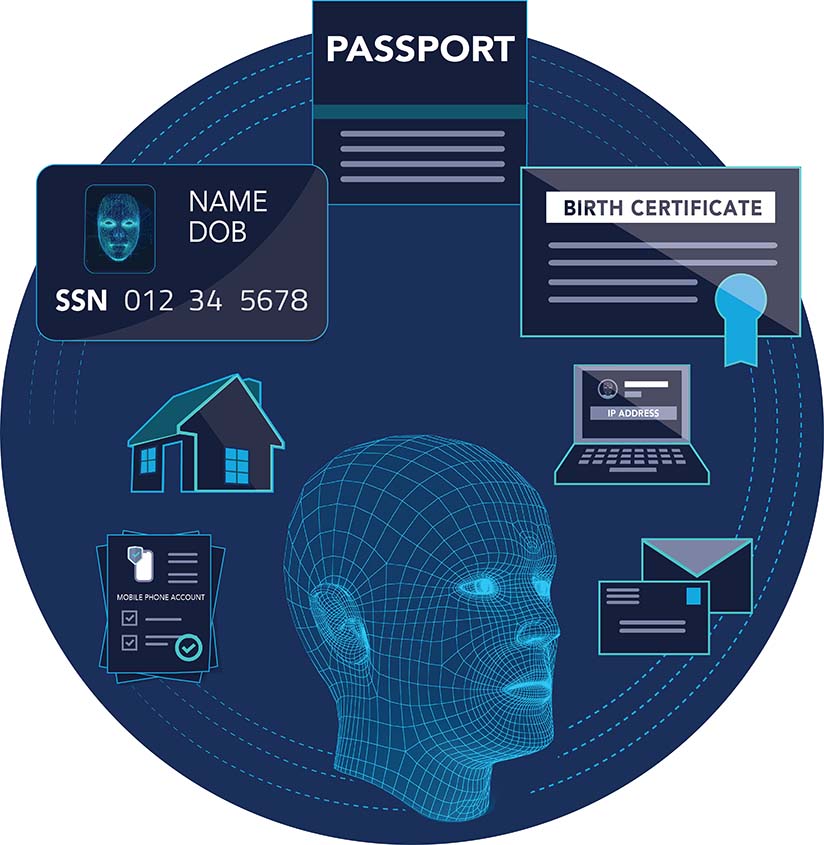
Synthetic identity fraud is a type of identity theft where a fraudster creates a new identity by combining real and fake information. Unlike traditional identity theft, where the fraudster uses someone else’s personal information, synthetic identity fraud involves creating a new identity that does not belong to any real person. This makes it difficult for victims and authorities to detect and prevent this type of fraud.
The fraudster starts by using a real social security number, which they obtain through various means such as data breaches or purchasing it on the dark web. They then combine this with fake information, such as a fake name, date of birth, and address, to create a new identity. This new identity is then used to open credit accounts, apply for loans, and make purchases, all while remaining undetected.
How Does Synthetic Identity Fraud Work?
Synthetic identity fraud works by exploiting vulnerabilities in the credit system. Since the fraudster uses a combination of real and fake information, they are able to establish a credit history for the synthetic identity. They start by applying for a small credit card or loan, and once they make timely payments, they are able to build a credit score for the synthetic identity. This allows them to apply for larger credit accounts and loans, which they use to make fraudulent purchases and then disappear without paying back the debt.
Another way synthetic identity fraud works is by using the synthetic identity to piggyback on someone else’s credit. The fraudster will add the synthetic identity as an authorized user on a legitimate credit account, and since the credit bureaus do not verify the identity of authorized users, the synthetic identity is able to benefit from the good credit history of the legitimate account holder.
How to Protect Yourself from Synthetic Identity Fraud
Now that you know what synthetic identity fraud is and how it works, it’s important to take steps to protect yourself from becoming a victim. Here are some tips to keep in mind:
- Monitor your credit report regularly to check for any suspicious activity or accounts that you did not open.
- Be cautious when sharing personal information online, especially on social media platforms.
- Use strong and unique passwords for all your online accounts.
- Do not give out your social security number unless absolutely necessary.
- If you suspect that your social security number has been compromised, contact the credit bureaus to place a fraud alert on your credit report.
- Consider freezing your credit to prevent anyone from opening new accounts in your name.
It’s also important to educate yourself about the latest scams and fraud tactics used by fraudsters. Stay informed and be vigilant when it comes to protecting your personal information.
Social Catfish
Social Catfish can be an essential tool in protecting yourself from synthetic identity fraud by helping you verify identities, track down suspicious contacts, and stay ahead of potential scams. With its reverse search tools, Social Catfish allows you to check the legitimacy of phone numbers, emails, social profiles, and even images, which is especially useful in identifying synthetic identities. By confirming who you’re dealing with, you can avoid engaging with fraudsters using fabricated information to create false identities.
Take control of your online safety today—try Social Catfish and make sure the people in your digital life are who they say they are.
Name Search Examples
To get more accurate results, enter the full name including at least First name, Middle name and Last name.
Email Search Examples
Phone Search Examples
Username Search Examples
Address Search Examples
Start typing the initial part of the address and select from the addresses given dropdown afterward.
We Respect Your Privacy.
Conclusion
Synthetic identity fraud is a growing threat that can have serious consequences for victims. By understanding how it works and taking necessary precautions, you can protect yourself from becoming a victim. Remember to monitor your credit, be cautious with your personal information, and stay informed about the latest fraud tactics. Stay safe and stay vigilant!