
 Multiple Faces Detected



 February 20th, 2026
Unlike quick scams, romance fraud operates on a timeline. Scammers spend weeks establishing daily communication routines, sharing “personal” struggles, and making you feel like their emotional confidant. This deliberate investment creates psychological trust that overrides logical skepticism. When the financial request finally comes, it doesn’t feel like a scam; it feels like helping someone you care about.
You felt what you felt. That was real. Their feelings? Those were scripted. You weren’t gullible; you were targeted by someone trained to exploit trust. The connection you believed you built was authentic on your end, while theirs was calculated fraud. Don’t internalize their deception as a failure on your part. You trusted. They lied. That’s on them, not you.
Trust isn’t the problem. Blind trust is. You can stay open to connection while protecting yourself through basic verification. Reverse search their photos. Look up their phone number. Verify their email exists beyond one account. These steps take minutes and catch most scammers early. Smart verification beats cynicism.
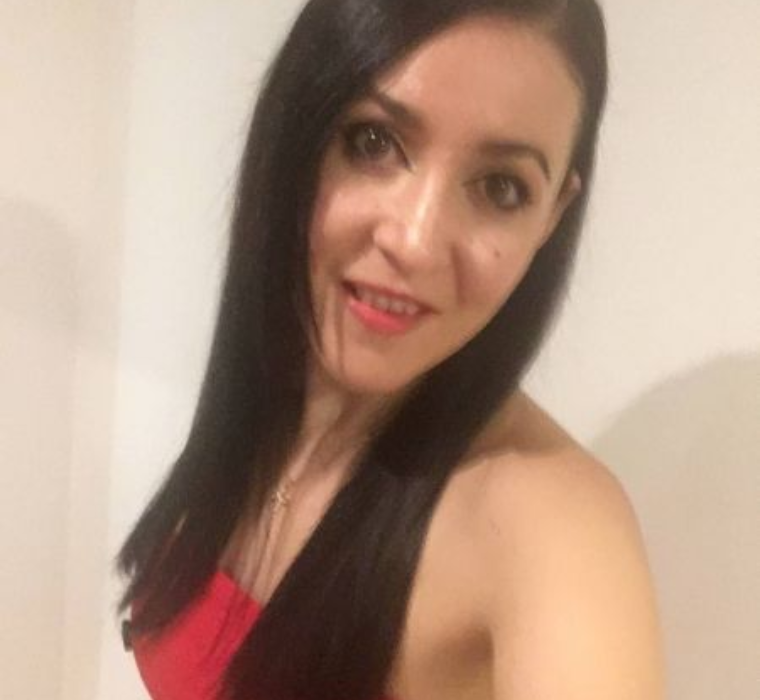
Alert: These Profile Photos Are Currently Being Used in Scams






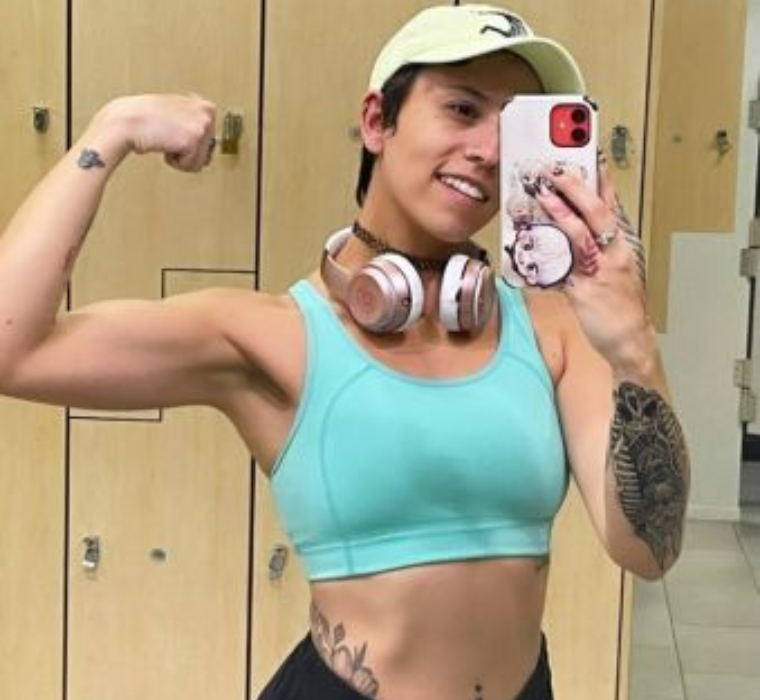


Enjoying our Latest Catches? Relive last week’s Most Unbelievable Catfish Moments here.