
 Multiple Faces Detected


 March 1st, 2026
You have seen the prices. A pair of earbuds for $4. A jacket for $12. A phone case that looks identical to the $30 version at Target, selling for $2.50 with free shipping. And the question that follows every AliExpress product listing is always the same: is this real, and am I going to get scammed?
The short answer is that AliExpress is a legitimate platform. It is owned by Alibaba Group, one of the largest e-commerce companies in the world, and it serves over 150 million buyers across more than 200 countries. But legitimate platform does not mean risk-free experience. The sellers on AliExpress are independent third parties, and the quality of your purchase depends almost entirely on which one you choose.
That is where most buyers run into trouble. If you are unsure about a seller before placing an order, Social Catfish lets you search any name, email, username, or phone number to verify who you are actually buying from before any money changes hands.
This guide covers everything you need to know before you buy in 2026, including how the platform works, what the real risks are, how to spot trustworthy sellers, and how to use Buyer Protection if something goes wrong.
What Is AliExpress and How Does It Work?
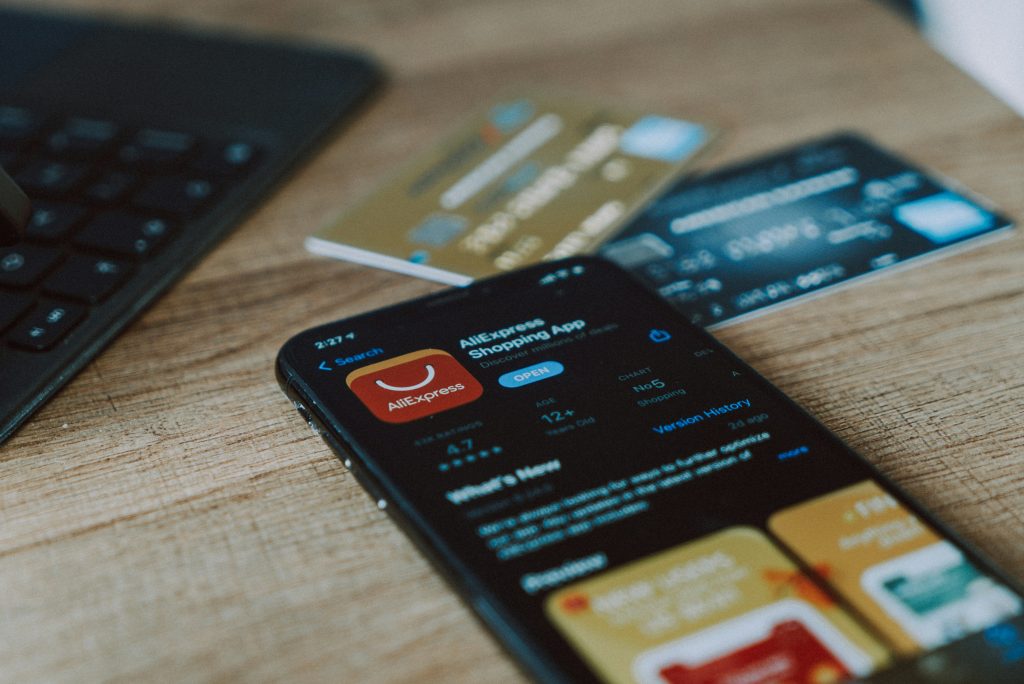
AliExpress launched in 2010 as part of Alibaba Group, the same Chinese conglomerate behind Taobao, Alibaba.com, and Alipay. Unlike Amazon, which sells a large portion of its inventory directly, AliExpress is purely a marketplace. It does not stock or ship products itself. Every listing on the platform belongs to an independent seller, usually a small manufacturer or retailer based in China.
How a Typical AliExpress Order Works
- You browse listings and find a product from an independent seller
- You place the order and pay through AliExpress checkout
- AliExpress holds your payment in escrow and does not release it to the seller yet
- The seller packs and ships your order, usually from China
- You receive a tracking number and watch the package make its way to you
- Standard shipping typically takes between 15 and 45 days depending on the shipping method chosen
- Once you confirm receipt of the order, AliExpress releases the payment to the seller
Why AliExpress Prices Are So Low
- Sellers are often manufacturers themselves, cutting out every middleman in the supply chain
- Labor and production costs in China are significantly lower than in the US or Europe
- Many items ship directly from the factory, bypassing retail markup entirely
- The platform operates at massive scale, keeping overhead low
The prices are not a trick. They reflect a genuinely different cost structure. But lower prices also often mean lower quality control, longer wait times, and more variability between sellers. Going in with realistic expectations makes a significant difference in your experience.
Is AliExpress Legit? The Honest Answer
Yes. AliExpress is a real, operating marketplace with real products and real sellers. Millions of people buy from it every month without problems. As of late 2025, it draws around 720 million visits per month and has processed orders for buyers in over 200 countries.
But the platform also has a Trustpilot score of 2.2 out of 5 based on over 180,000 reviews, which tells you something important: many buyers have had frustrating experiences. Most complaints center on delivery delays, poor communication from sellers, products that did not match the listing photos, and difficult dispute processes.
The distinction to make is between AliExpress as a company and the individual sellers who list on it. AliExpress the company is legitimate. Some of the sellers on it are not.
What AliExpress Gets Right
- Buyer Protection program covers most orders automatically
- Escrow payment system protects your money until you confirm receipt
- HTTPS encryption and PCI DSS compliant payment processing
- Dispute resolution system that frequently sides with buyers
- Seller rating system that surfaces track record and feedback
Where the Real Problems Exist
- Product quality varies enormously between sellers for the same item
- Counterfeit goods appear on the platform regularly, especially in electronics, cosmetics, and branded clothing
- Shipping times can stretch well beyond the estimated window, especially for free shipping options
- Some sellers use misleading photos or descriptions to misrepresent what they are selling
- The European Commission has accused the platform of systemic failures to curb dangerous and illegal goods
- Resolving disputes can be slow and requires documentation
The Most Common AliExpress Scams in 2026
1. Misleading Product Listings
This is the most reported complaint on the platform. A seller posts polished studio photos of a high-quality item at a suspiciously low price. What arrives is a cheap imitation, a completely different product, or just the accessory shown in the corner of the photo rather than the main item.
Why it works:
- Stock photos make cheap products look premium
- Fine print in the description contradicts the title
- Buyers skim listings instead of reading them fully
How to protect yourself:
- Scroll past the studio photos and look for buyer-submitted images in the review section
- Read the full product description word by word, not just the title
- If the listing has no real-world photos from actual customers, treat it as a red flag
2. Fake Tracking Scams
The seller marks your order as shipped and hands over a tracking number. The number is real, but the package being tracked is either a decoy shipment of a tiny, worthless item sent to your address to satisfy delivery confirmation, or a label created for a completely different shipment. You watch the tracker, assume the package is on its way, and eventually your Buyer Protection window closes without you ever filing a dispute.
Why it works:
- A valid tracking number feels like proof something is coming
- Buyers wait too long before raising concerns
- Once the protection period expires, AliExpress has limited ability to help
How to protect yourself:
- Track your order through an independent service like 17track.net, not just AliExpress
- If tracking stalls for more than two weeks or shows unusual routing, open a dispute immediately
- Never wait until the last few days of your Buyer Protection window to act
3. Off-Platform Payment Scams
After you place an order, the seller contacts you through AliExpress messaging claiming there is a payment issue, a customs fee, or a special deal on faster shipping that requires you to pay them directly via bank transfer, PayPal, or another external method. The moment you pay outside the AliExpress checkout, every protection the platform offers disappears.
Why it works:
- The message looks like it is coming from a legitimate seller you already trusted enough to buy from
- The reason given sounds plausible and urgent
- Buyers do not realize that off-platform payment voids all buyer protection
How to protect yourself:
- Never send payment outside of the official AliExpress checkout under any circumstances
- Decline any request to pay separately regardless of what reason is given
- Report any seller who asks for external payment immediately through the platform
4. Fake Refund Scams
A seller offers to refund you through PayPal to resolve a dispute quickly and avoid going through AliExpress. It sounds helpful. The problem is that in PayPal’s system, what the seller sends looks like a standard payment, not a refund. The seller can later dispute that payment and reclaim it, leaving you with no product, no AliExpress refund, and money you thought you received now gone.
Why it works:
- Buyers want the problem resolved quickly and avoid the dispute process
- The offer sounds reasonable and even generous
- Most buyers do not know how PayPal classifies incoming payments from sellers
How to protect yourself:
- Insist that every refund be processed through the AliExpress dispute system only
- Never accept refunds via PayPal, bank transfer, or any external method
- If a seller pushes hard for an off-platform refund, escalate the dispute to AliExpress immediately
5. Brushing Scams
A package shows up at your door from AliExpress for an item you never ordered. Inside is something cheap and random. The seller used your name and address to create a fake verified purchase and post a glowing review on their product listing. The item itself is harmless. What is not harmless is what the package tells you: your personal information is circulating somewhere online.
Why it works:
- Most people shrug it off as a weird mistake and move on
- Buyers do not realize their data has been accessed or exposed
- The scammer gets the fake review they needed and faces almost no consequences
How to protect yourself:
- Do not confirm the order in the AliExpress app
- Report the package to AliExpress and request investigation
- Run a search on Social Catfish using your name, email, or home address to find out where your information has been exposed and which other bad actors may have access to it
6. Counterfeit and Unsafe Products
Fake branded goods are everywhere on AliExpress, especially in electronics, designer clothing, cosmetics, and supplements. Beyond the obvious quality issues, some counterfeit products carry real safety risks. In 2023, security researchers found Android TV set-top boxes sold through AliExpress to be pre-installed with malware straight from the factory, connecting immediately to botnet command servers upon setup.
Why it works:
- Products look identical to the real thing in listing photos
- Prices are low enough to seem like a great deal
- Buyers assume the platform filters out unsafe goods
How to protect yourself:
Search the product name and the word “review” on YouTube or Reddit before buying to see real unboxing videos from other buyers
Avoid anything displaying a name brand logo at a fraction of the retail price
Be especially cautious with electronics, children’s toys, cosmetics, and any device that connects to your home network
Red Flags to Watch for on Any AliExpress Listing
Seller Red Flags
- Store opened recently with very few total orders
- Overwhelmingly positive reviews but all written in similar language or phrasing
- No reviews that mention shipping time, actual product quality, or real use experience
- Store name closely resembles a well-known brand with slight spelling differences
- No verifiable business information in the seller’s store profile
- Seller responds with urgency to push you to buy quickly
Listing Red Flags
- Price is dramatically lower than every other seller offering the same item
- Only studio photos with no buyer-submitted real-world images
- Product description is vague, poorly translated, or inconsistent with the title
- Item ships exclusively via the slowest and cheapest untracked shipping options even for high-value goods
- Multiple different products bundled into one listing with confusing variation options
- Title includes brand names but the description never confirms it is genuine
Communication Red Flags
- Seller contacts you after your order to request additional payment
- Seller offers a discount or upgrade if you pay outside AliExpress
- Seller pressures you to close a dispute before it is resolved
- Seller claims your order was lost and asks you to reorder rather than filing through official channels
- Seller goes silent after you raise a problem
How to Find Trustworthy Sellers on AliExpress
Check Seller Ratings and History
Every AliExpress seller has a detailed rating based on shipping speed, communication quality, and item accuracy. Look for sellers with at least several hundred completed orders and a consistent rating above 95 percent. A seller with tens of thousands of orders and mostly positive reviews has a track record that is harder to fake than a new store with 50 glowing five-star reviews.
Read Reviews Critically
Do not just look at the overall star rating. Read through the actual written reviews and look for:
- Photos submitted by buyers showing the actual received product
- Comments that mention shipping time, packaging quality, and whether the item matched the description
- Any reviews mentioning receiving the wrong item or poor quality
- Patterns in the language across reviews that might suggest fake or incentivized feedback
Start With a Small Test Order
If you want to try a new seller, buy one inexpensive item before placing a larger order. This gives you a firsthand look at their communication, shipping speed, packaging quality, and whether the product matches the listing before you commit to anything significant.
Prefer Sellers With the AliExpress Choice Badge
AliExpress Choice listings indicate sellers who have met platform performance thresholds including on-time dispatch rates, dispute rates, and customer feedback scores. It is not a guarantee but it is a meaningful filter. Always click the badge to verify it shows real-time metrics rather than static placeholder text.
Use Social Catfish to Verify Unknown Sellers
If a seller’s store has a limited history, you found them through an external ad or link, or you have any doubt about their legitimacy, search them on Social Catfish before you buy. Search the store name, any business name they list, the email address they use to contact you, or any person’s name associated with the store.
A legitimate seller will have a consistent, verifiable online presence. A scammer operating a fraudulent storefront will often leave inconsistencies across platforms that a reverse search will surface. This is especially important for higher-value purchases where a failed order is a meaningful loss. One search before buying can save you weeks of dispute processes and a lot of frustration.
Frequently Asked Questions About AliExpress
Generally yes. AliExpress uses standard encryption and does not share your payment details with sellers. That said, it is wise to monitor your statements after purchases and avoid saving your card information on the account if you shop infrequently. Using a virtual card or a card dedicated to online shopping adds an extra layer of protection.
Most AliExpress products ship from China using economy international shipping methods, which can take 15 to 60 days. Some remote areas can see packages take even longer. If timing matters, look for listings that offer AliExpress Standard Shipping or a tracked express option and check the estimated delivery date displayed on the product page.
Do not wait until your Buyer Protection period expires. If your order has not arrived and the timer is running low, either request an extension through the order details page or open a dispute. Choose the reason “order not received” and upload your tracking information showing no delivery. AliExpress will typically issue a full refund if the order cannot be confirmed delivered.
With caution. Brushing scams and review manipulation are real problems on the platform. Look for reviews with buyer-submitted photos, verified purchase indicators, and written comments that describe specific experiences rather than generic praise. Be skeptical of listings where every review is five stars with short, identical phrases.
Before placing a significant order from an unfamiliar seller, you can use Social Catfish to verify the identity behind the store or any contact information they provide. If a seller reaches out through private channels, search their email or username to see what other accounts or platforms it is connected to.
The Bottom Line
AliExpress is legitimate. It is also genuinely risky if you do not know how to navigate it. The platform can be an excellent source for affordable goods, hobby supplies, parts, home accessories, and low-cost products where brand name does not matter. It is a poor choice for branded items, safety-critical electronics, cosmetics you plan to use regularly, or anything where product authenticity is important.
The key to a good experience on AliExpress in 2026 is the same as it has always been: research your seller before you buy, pay through the official checkout only, document your orders with screenshots, use tracked shipping, and never let your Buyer Protection timer expire without acting if something has gone wrong.
If a seller’s identity feels unclear or a deal seems too good to be true, search them on Social Catfish before your money leaves your account. A five-minute check is a fraction of the time you will spend in a dispute if the order goes sideways.
Not sure if a seller or online contact is who they claim to be? Run a reverse search on Social Catfish by name, email, username, or phone. 100% confidential. Results in minutes.