
 Multiple Faces Detected


 February 26th, 2026
You are expecting a package. Your phone buzzes with a text that looks exactly like something USPS would send: your tracking number, a note about a delivery issue, and a link to resolve it. You click the link, enter your details, and think nothing of it.
That is how it starts.
According to the Federal Trade Commission, Americans reported losing $470 million to text-based scams in 2024, and the most commonly reported type was fake package delivery messages. The United States Postal Inspection Service confirms that USPS is one of the most impersonated organizations in the country, with scammers sending millions of fraudulent texts and emails every year designed to look like official shipping notifications.
This guide covers both sides. How to use USPS address verification to make sure packages actually arrive, and how to spot and avoid the shipping scams that are targeting more Americans every year.
If someone contacts you about a delivery issue and you are not sure whether the person or message is legitimate, you can run a search on Social Catfish to verify who you are actually dealing with before providing any personal information.
What Is USPS Address Verification and How Does It Work
USPS address verification is the process of checking a mailing address against the official USPS database to confirm it exists, is deliverable, and is formatted correctly. The USPS maintains a database of over 160 million mailable addresses across the United States, updated monthly. When an address is verified against this database, it goes through a process called Delivery Point Validation, which confirms whether mail can actually be delivered to that specific location.
This matters more than most people realize. The USPS estimates that roughly 5% of all mail sent in the United States is undeliverable as addressed. That is, packages are lost, returned to sender, or sitting in a sorting facility because of a missing apartment number, an incorrect ZIP code, or a street name that does not match USPS records.
Address verification catches these problems before a shipment ever leaves your hands.
How to Use the Free USPS Address Verification Tool
USPS offers a free address lookup tool called the ZIP Code by Address tool, available directly on the USPS website. Here is how to use it:
Go to the Official USPS Tool
- Navigate to tools.usps.com/zip-code-lookup.htm?byaddress in your browser
- Make sure you are on the official USPS website the URL should begin with usps.com
- Step 2: Enter the Address
- Type in the street address, city, state, and ZIP code in the appropriate fields
- The more complete the information you enter, the more accurate the result will be
- You do not need to fill in every field, but a full address gives you the most reliable verification
Review the Results
- If the address is valid, USPS will return a standardized version of it with corrected abbreviations, proper ZIP+4 code, and formatted to USPS standards
- If the address is not recognized, the tool will either suggest corrections or indicate the address cannot be verified
- Click the expand icon next to the result to see the Delivery Point Validation indicator, which tells you whether the address is confirmed as a deliverable location
Update Your Records
- If the tool returns a corrected version of the address, use that corrected version when shipping
- A ZIP+4 code is more precise than a standard 5-digit ZIP and can speed up delivery
What the Tool Cannot Do
- USPS address verification confirms that an address exists and can receive mail it does not confirm that a specific person lives or works there
- It only processes one address at a time, so it is not practical for bulk verification
- It cannot verify international addresses
Why Address Verification Matters Before You Ship
Most people skip address verification and assume the address they were given is correct. Here is why that assumption causes problems:
Packages Get Lost or Returned
- A missing apartment number, a wrong ZIP code, or a street suffix that does not match USPS records can all cause a package to become undeliverable
- When a package cannot be delivered, it either gets returned to the sender or held at a post office — both outcomes create delays and extra costs
Addresses Change More Often Than You Think
- People move, streets get renamed, and new developments create new addresses constantly
- The average address database experiences roughly 20% turnover annually, meaning an address that was valid a year ago may no longer route correctly today
It Protects You From Shipping Fraud
- Verifying an address before sending a package to a buyer or seller you met online adds a layer of protection against reshipping scams, where fraudsters use stolen credit cards to purchase items and have them shipped to a fraudulent address
- If the address cannot be verified, that is a red flag worth investigating before proceeding
USPS Shipping Scams in 2026: What You Need to Know
While address verification is about making sure your packages arrive safely, shipping scams are about criminals using the USPS brand to steal your personal information and money. These two issues intersect more than most people expect, and understanding both makes you significantly harder to target.
Smishing: Fake USPS Text Messages
Smishing is a scam delivered by text message. In a USPS smishing attack, you receive a text that appears to come from the United States Postal Service, usually claiming there is a problem with a package delivery. The message contains a link, and that link leads to a fake website designed to look exactly like the real USPS site. Once there, you are prompted to enter your name, address, credit card number, or Social Security number to resolve the supposed delivery issue.
The United States Postal Inspection Service is explicit on this point: USPS does not send unsolicited text messages containing links. If you receive a text with a link claiming to be from USPS, it is a scam.
Fake Delivery Emails
Scammers also send fraudulent emails mimicking USPS delivery notifications. These emails often use subject lines like “Delivery Failure Notification” or “Package Could Not Be Delivered” and ask you to click a button or download an attachment to confirm your delivery information. The USPIS warns that these attachments can install malware on your device when opened, giving attackers access to your passwords and personal data.
Tariff Scams — A New Threat in 2026
Following changes to import tariff rules in 2025, a new variant of the shipping scam has emerged. Fraudsters send messages claiming your package is stuck in customs, and you must pay a tariff fee before it can be released. The Federal Communications Commission has specifically warned consumers about this tactic, noting that scammers are exploiting confusion around tariff rules to make these messages seem credible. Legitimate carriers will always disclose import fees at the time of purchase or include them in the purchase price, not demand surprise payments via a text link.
QR Code Shipping Scams
Some scammers are now placing fake QR codes on shipping labels, missed delivery slips, or fraudulent notices left at doors. Scanning these codes redirects you to counterfeit USPS websites. The USPIS calls this tactic “quishing” QR code phishing, and it has been growing in frequency. Never scan a QR code from an unexpected delivery notice without verifying its source first.
How to Tell a Real USPS Message From a Fake One
Real USPS Communications
- USPS only sends text message tracking updates if you specifically requested them by registering online at USPS.com or by texting a tracking number first
- Official USPS texts come from a 5-digit short code, not a standard 10-digit phone number
- USPS will never ask for payment, personal details, or account credentials through a text or unsolicited email
- Official USPS email addresses end in @usps.gov any variation of this is not legitimate
Red Flags That Signal a Scam
- You receive a text or email about a package you were not expecting or did not initiate tracking on
- The message contains a link and asks you to click it to resolve a delivery problem
- The message demands immediate action or threatens that your package will be returned if you do not respond right away
- The link in the message goes to a URL that is not usps.com, even slight variations like usps-delivery.com or usps-tracking.net are fraudulent
- The message asks for payment via gift card, cryptocurrency, or wire transfer
- There are spelling errors or unusual formatting in what is supposed to be an official communication
What to Do If You Receive a Suspicious USPS Message
If You Receive a Suspicious Text
- Do not click any link in the message
- Forward the message to 7726, which is the spam reporting shortcode used by most mobile carriers
- Send a screenshot along with your name and relevant details to spam@uspis.gov
- Delete the text from your device
Receive a Suspicious Email
- Do not click any links or open any attachments
- Forward the email to spam@uspis.gov
- Delete the email
If You Already Clicked a Link or Entered Your Information
- Contact your bank or credit card company immediately to flag any potential unauthorized charges
- Change the passwords for any accounts that may have been compromised
- Run a search at socialcatfish.com to check whether your personal information is already circulating as a result of the breach
- Report the incident to the FTC at ReportFraud.ftc.gov and to the FBI’s Internet Crime Complaint Center at ic3.gov
How Social Catfish Helps With Shipping Scams
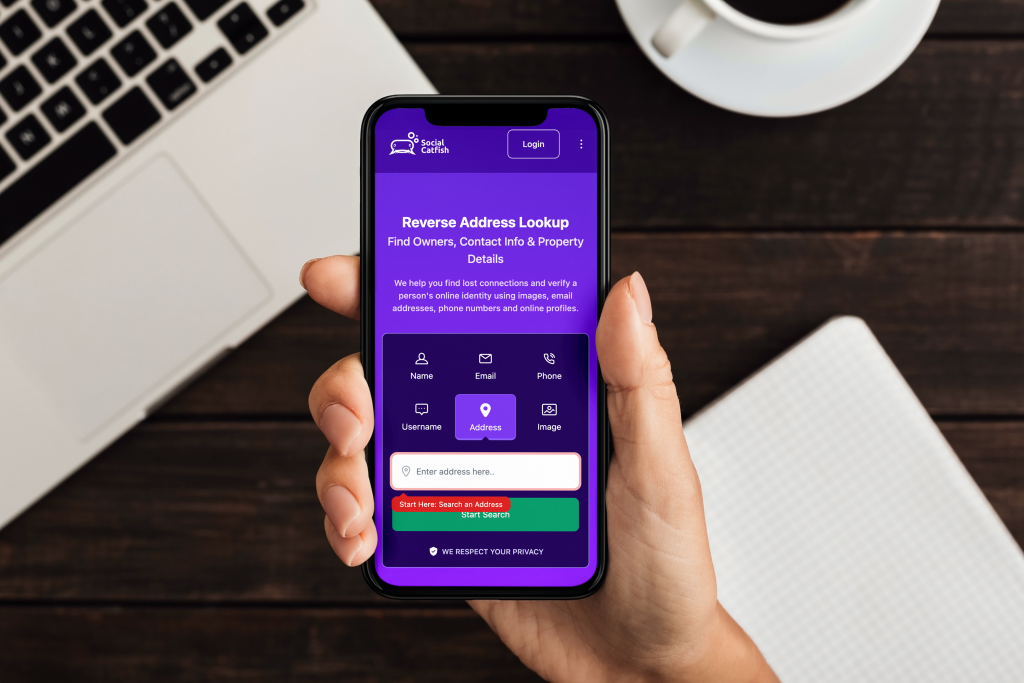
When a scam goes beyond a suspicious text and involves an actual person, a seller, buyer, or someone requesting your address, Social Catfish gives you the tools to verify who you are dealing with before it is too late.
Reverse Phone Lookup
If you receive a call or text from an unknown number claiming to be from USPS or a shipping company, a Social Catfish reverse phone lookup can identify who that number actually belongs to. Scammers frequently spoof numbers to make calls appear local or legitimate. A reverse lookup cuts through that.
Email Search
Shipping scams often involve fraudulent confirmation emails asking you to verify your details. An email search on Social Catfish can tell you whether that email address is linked to a known individual or has appeared in scam reports.
Reverse Image Search
If you are buying or selling something online and the other party sends you a profile photo, a Social Catfish reverse image search can verify whether that photo belongs to the real person or has been stolen from someone else, a common tactic in marketplace and reshipping scams.
Address Lookup
If someone gives you an address that does not feel right, or if you want to verify that a shipping address is linked to a real person before sending a valuable item, a Social Catfish address lookup can cross-reference the address against public records to give you a clearer picture.
Frequently Asked Questions
USPS only sends text updates if you specifically requested them either by registering for tracking notifications on USPS.com or by texting a tracking number to 28777 yourself. USPS does not send unsolicited texts with links. If you receive an unexpected text claiming to be from USPS, especially one containing a link, it is a scam. Delete it and report it by forwarding it to 7726.
Go to tools.usps.com/zip-code-lookup.htm?byaddress and enter the address you want to verify. The tool will return a standardized, USPS-approved version of the address if it is valid, or flag it as unrecognized if something is wrong. Always ship using the corrected, standardized version the tool returns rather than the original address you were given.
Here is the tightened version:
3. What should I do if my USPS package shows as delivered but I never received it?
Check around your property and with neighbors first, then wait 24 hours. USPS occasionally scans packages as delivered slightly before they arrive. If it still has not shown up, file a Missing Mail search request at USPS.com and contact the sender to initiate a claim.
Yes. Entering your information on a fake USPS site gives scammers everything they need: your name, address, and full card details, even from a small 99-cent fee payment. If you entered any information, contact your bank immediately, place a fraud alert with the credit bureaus, and report it at IdentityTheft.gov.
The only official USPS website is usps.com. Any variation of usps-delivery.com, usps-track.net, uspsdeliveryhelp.com, or anything that adds words, hyphens, or extra characters around “usps” is a fraudulent site. When in doubt, type usps.com directly into your browser rather than clicking a link from a text or email.
5. How can I tell if a USPS website is real or fake?
The only official USPS website is usps.com. Any variation of usps-delivery.com, usps-track.net, uspsdeliveryhelp.com, or anything that adds words, hyphens, or extra characters around “usps” is a fraudulent site. When in doubt, type usps.com directly into your browser rather than clicking a link from a text or email. The real USPS website will also have a secure connection indicated by https:// and a padlock icon in the address bar.
Conclusion
Shipping is a routine part of daily life, which is exactly what makes it such a useful cover for scammers. The same familiarity that makes a USPS text feel normal is what makes fake ones so effective. Staying protected comes down to two habits: verify addresses before you ship using the free USPS tool, and treat every unsolicited delivery message as suspicious until you can confirm otherwise.
If someone contacts you about a shipment and something feels off, an unfamiliar number, a strange link, a payment request you were not expecting, run a reverse search on Social Catfish before you respond. Knowing who is on the other end of that message is the fastest way to know whether it is real.