
 Multiple Faces Detected


 June 9th, 2026
You found a product on Temu, but the seller has minimal information, a new account, or prices that seem too good to be true. Temu relies on third-party sellers, and some unscrupulous vendors use the platform to sell counterfeit products or collect payment for items that never arrive. While Temu has introduced a verification badge for sellers, it is not a guarantee of legitimacy. This guide covers how to find any seller on Temu, how Temu’s image search works, and how to verify a seller is legitimate before handing over payment. When standard platform checks are not enough, Social Catfish’s reverse search tools confirm the real identity behind any seller contact details or profile photo.
How Temu Search Works
Temu’s search is built for products, not sellers. Understanding how it works helps you find what you are looking for faster.
Keyword and category search: Type any product description, brand name, or keyword into the search bar. Temu returns matching product listings ranked by relevance, popularity, and rating. Category browsing is available from the main navigation for discovery-style shopping.
Filters: After running a search, use the filter options on the left side of results to narrow by price range, star rating, shipping time, and other product attributes. The Shops filter specifically narrows results to listings from specific seller accounts rather than showing all products matching the keyword.
Core limitation: Temu’s search is product-first by design. Finding a specific seller requires either knowing their exact shop name, filtering back from a product listing you already found, or using the direct URL methods covered below. Searching a seller’s name in the main search bar often returns product listings rather than a direct shop page.
How to Search for a Seller on Temu
From a product listing: The fastest route to a seller’s shop page is through a product they have listed. Open any product from the seller and click the seller’s shop name displayed beneath the product title. This takes you directly to their full storefront showing all their listings, their rating, review count, account age, and verification badge status.
Using the Shops filter: Run a keyword search for any product the seller might carry. Apply the Shops filter from the left-side menu. This surfaces seller accounts matching the search terms rather than individual product listings.
Direct URL: If you know the seller’s shop name, go to temu.com/m/shopname directly in your browser. This loads the storefront without navigating through search.
Google site search: Search site:temu.com “seller name” in Google. Google indexes Temu product listings and seller pages, which sometimes surfaces a specific seller faster than Temu’s own search for exact name matches.
What you can see on a seller’s shop page:
- Overall star rating and total review count
- Verification badge status
- How long the account has been active on Temu
- All current product listings
- Individual product reviews with photos if buyers have submitted them
How Temu Image Search Works
Temu’s native image search lets you upload a product photo to find visually similar listings across the platform. It is useful for finding something you saw in real life, in a photo, or on another platform that you want to buy on Temu.
How to access it: Open the Temu app and tap the camera icon in the search bar. Upload a photo from your camera roll or take a new one. Temu returns visually similar products from its catalog.
What it returns: Temu’s image search matches products based on visual similarity. It is effective for finding specific items, styles, or designs when you do not have the exact product name or keywords to describe it.
What it does not do: Temu’s image search matches products, not people. It cannot verify whether a seller’s profile photo is genuine, whether the person behind an account is who they claim to be, or whether photos used in listings have been stolen from another source.
The Social Catfish bridge: If you want to verify whether a seller’s profile photo belongs to a real, consistent identity rather than a stolen or fabricated image, upload the photo to Social Catfish’s reverse image search. The facial recognition searches across social media, identity databases, and scam photo registries, confirming whether the face connects to a genuine identity or flags an image associated with known fraud operations. This is a different kind of image search from Temu’s product matching and is specifically designed for identity verification rather than product discovery.
How to Verify a Temu Seller Before You Buy
The FTC cited Temu in September 2025 for failing to adequately disclose seller identities. On Temu, seller information is often limited to a shop name, a star rating, and a review count with no verifiable contact details. This makes independent verification more important than on platforms that surface fuller seller information by default.
Free checks to run first:
- Star rating and review quality. Look for reviews that include written descriptions and buyer-submitted photos rather than generic five-star comments with no detail. A high rating built entirely on brief unverified comments is less meaningful than a lower rating with detailed authentic feedback.
- Account age. New accounts with few reviews and significantly below-market prices are the highest-risk combination on any marketplace. Check how long the seller has been active before purchasing anything of significant value.
- Verification badge. Temu’s verification badge is a baseline signal that the seller has completed Temu’s identity process. It is not a guarantee of legitimacy but its absence alongside other risk signals is worth noting.
- Google the shop name. Search the shop name alongside “scam” or “complaint” in Google. If the seller has been flagged by other buyers on consumer complaint sites, forum threads, or scam reporting databases, this surfaces it.
Social Catfish for deeper verification: If a seller has contacted you directly via email, phone, or social media outside of Temu, those contact details are directly searchable. Enter the email address into Social Catfish’s reverse email search to find every platform account and identity associated with it. Enter any phone number they provided into Social Catfish’s reverse phone lookup to confirm the registered name and identity. Upload their profile photo to Social Catfish’s reverse image search to verify whether the face connects to a genuine, consistent identity or has been associated with fraud elsewhere.
These checks are most relevant for high-value purchases, custom orders where payment precedes delivery, or any situation where a seller has initiated contact outside the platform.
Common Temu Scams to Watch For
Understanding the specific fraud patterns on Temu helps identify risk before it costs you anything.
Counterfeit products from unverified sellers: Sellers listing branded products at a fraction of retail price are frequently selling counterfeits. The product arrives but bears no resemblance to the brand it claims to be. The review system is the primary free signal here.
Fake Temu customer service contacts: Scammers impersonate Temu support through email, text, or social media, claiming there is a problem with your order and requesting personal or payment details to resolve it. Temu support contacts come through the official app only.
Social media fake promotions: Accounts on Instagram, TikTok, and Facebook claim to offer exclusive Temu discount codes, gift cards, or free products in exchange for personal information or small processing fees. These are not affiliated with Temu in any way.
Off-platform payment requests: Any seller who asks you to pay through Venmo, Zelle, Cash App, PayPal Friends and Family, or any method outside Temu’s checkout is the clearest possible red flag. Temu’s buyer protection covers only transactions completed through Temu’s own payment system. Off-platform payment requests remove all protection and are almost always a scam signal.
Phishing texts about delivery problems: Text messages claiming your Temu order has a delivery issue and directing you to click a link are phishing attempts designed to harvest your login credentials or payment information. Check your order status only through the official Temu app.
Is Temu Legit?
Yes. Temu is a legitimate website backed by PDD Holdings, a publicly traded company listed on NASDAQ with a market capitalization in the hundreds of billions. It processes real payments and delivers real products to millions of customers.
Platform legitimacy does not guarantee every seller on it is legitimate. Multiple US state attorneys general have filed lawsuits against Temu citing inadequate policing of seller identity and counterfeit product listings. The FTC’s September 2025 citation specifically flagged failures in seller identity disclosure. These are institutional criticisms of how Temu manages its seller marketplace, not evidence that the platform itself is fraudulent.
The practical takeaway is straightforward. Temu is real. Individual sellers vary significantly in legitimacy. Verifying a specific seller before a significant purchase is the right call regardless of the platform’s overall legitimacy.
What to Do If You Have Been Scammed on Temu
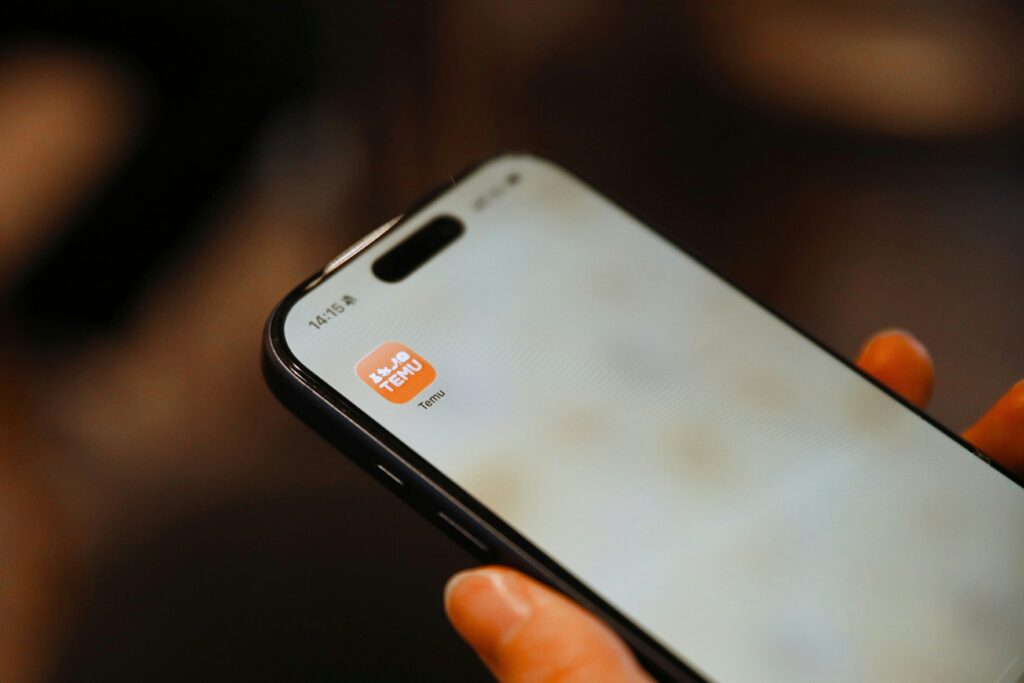
If a seller failed to deliver, sent a counterfeit product, or collected payment for something that was misrepresented, take these steps.
- Report through the Temu app. Go to your order, select Report a Problem, and submit the details with any available evidence including photos of what you received. Temu’s resolution process starts here.
- Contact your bank or card issuer immediately. Report the transaction as fraud and request a chargeback. Credit card chargebacks provide the strongest buyer protection for marketplace fraud. Act as quickly as possible since recovery windows narrow over time.
- File with the FTC at reportfraud.ftc.gov. FTC reports contribute to enforcement patterns and consumer protection databases.
- Report to the BBB Scam Tracker at bbb.org/scamtracker. BBB reports are publicly visible and help other buyers identify problematic sellers.
- If the seller contacted you outside Temu and you shared personal information: Run a reverse search on Social Catfish using any contact details they provided. The search surfaces what other information they may have about you through linked accounts and identity databases, which is relevant if you are concerned about how your personal details may be used following the interaction.
FAQ
Click any product listing from the seller and tap their shop name to reach their full storefront. Use the Shops filter after a keyword search to narrow to seller accounts. Go to temu.com/m/shopname directly if you know their shop name. Search site:temu.com “seller name” in Google for an indexed result.
Tap the camera icon in the Temu app’s search bar and upload a photo. Temu returns visually similar products from its catalog. This matches products by visual similarity and does not verify seller identity. For identity verification from a seller photo, use Social Catfish’s reverse image search.
Temu is a legitimate platform backed by a publicly traded company. It delivers real products and processes payments securely. Individual seller legitimacy varies, and the FTC cited Temu in 2025 for inadequate seller identity disclosure. Verifying specific sellers before significant purchases is advisable regardless of platform legitimacy.
Check their star rating for detailed reviews with photos, confirm account age, look for the verification badge, and Google their shop name alongside “scam” or “complaint.” For deeper verification, enter any contact details they have provided into Social Catfish’s reverse search tools to confirm their real identity before paying.
Report through the Temu app under Order, then Report a Problem. Contact your bank immediately to dispute the charge. File with the FTC at reportfraud.ftc.gov and the BBB Scam Tracker. If the scammer contacted you outside Temu, run their contact details through Social Catfish to understand what linked accounts and information are associated with that identity.
Conclusion
Temu search is built for product discovery, not seller verification, which means finding a specific seller and confirming they are legitimate are two separate tasks requiring different approaches. The direct URL method, Shops filter, and Google site search cover seller discovery efficiently. Free verification checks covering ratings, account age, and the verification badge cover most standard purchases.
When those checks are not enough, and particularly when a seller has contacted you outside the platform, or you are making a significant purchase from an account with limited history, Social Catfish’s reverse image, email, and phone search tools confirm the real identity behind the seller’s contact details. That verification step is worth taking before any payment that Temu’s buyer protection might not cover.