
 Multiple Faces Detected



 March 8th, 2026
Shein is not going anywhere.
With 88 million active shoppers worldwide and roughly 235 million app downloads in 2025 alone, it is one of the most used shopping platforms on the planet. The $5 tops and $12 dresses that flood social media feeds are real. The packages arrive. And for millions of people, the platform delivers exactly what it promises: cheap, trendy fashion shipped fast.
But “legitimate business” and “completely safe to use” are not the same thing. And with Shein, the gap between the two is wider than most shoppers realize.
A 2018 data breach exposed personal information tied to 39 million accounts. A 2022 fine from the New York Attorney General confirmed that Shein knew credit card data was stolen and told customers otherwise. A €150 million privacy fine from French regulators followed in September 2025. And separately from all of that, scammers have built an entire cottage industry around Shein’s name, fake websites, phishing emails, and mystery box schemes that steal payment information from shoppers who think they are on the real platform.
So: is Shein legit? Yes. Is shopping on Shein without knowing these things a risk? Also yes.
Here is what you need to know.
If you’re not sure whether a Shein seller, third-party contact, or unsolicited message is real, search them on Social Catfish before entering any payment information.
What Shein Actually Is

Shein was founded in China in 2008 and is now headquartered in Singapore, shipping to more than 150 countries. It operates almost entirely through its website and app, with no physical stores, and uses an AI-driven model that tracks trends, launches thousands of new styles weekly, and scales production only for items that sell.
The business model is built around speed and volume. Shein’s app ranked as the second most downloaded shopping app worldwide in 2024. It ships primarily from factories in China, where lower labor costs and raw material prices, polyester makes up more than 80% of its materials, allowing for prices that traditional retailers simply cannot match.
That is the platform in a nutshell. Cheap. Fast. Enormous. And operating in a regulatory environment that has repeatedly found its practices fall short.
The Real Concerns With Shopping on Shein
Data Privacy: The Biggest Red Flag
Shein’s most significant and documented risk is not product quality; it is what happens to your data.
In 2018, hackers breached Shein’s systems and accessed the personal information of 39 million accounts, including names, email addresses, and payment data. The company initially disclosed a figure of 6.42 million affected accounts and publicly stated there was “no evidence” that credit card information had been compromised. Both claims were false. The New York Attorney General’s investigation revealed that credit card data had, in fact, been stolen and that 32.5 million account holders were never notified at all.
Shein’s parent company, Zoetop, was fined $1.9 million in 2022 and required to implement a comprehensive security program with annual third-party audits through 2027.
Then, in September 2025, France’s data protection authority, the CNIL, fined Shein’s Irish subsidiary €150 million, one of the largest cookie-related privacy penalties ever issued in Europe. The investigation found that Shein placed advertising cookies on users’ devices before obtaining consent, continued reading tracking data even after users clicked “Reject All,” and failed to properly disclose which third parties were receiving that data.
An Austrian privacy group filed an additional complaint in January 2025, alleging Shein was unlawfully transferring European users’ data to China in violation of GDPR.
None of this means your Shein account will definitely be breached. It does mean that Shein’s track record on data handling is materially worse than competitors like ASOS, Zara, or H&M, and that the risk is worth taking seriously.
What to do:
- Create a dedicated email address for Shein shopping so a breach does not expose your primary inbox
- Never store your payment card directly on the platform. Use PayPal or a virtual card instead, so Shein never holds your actual card details
- Shop through the website rather than the app when possible, the app requests significantly broader device permissions (camera, microphone, calendar, location, storage) than competitors
- Enable two-factor authentication on your Shein account
Fake Shein Websites: The Scam That Catches the Most People
The official Shein website is shein.com. The official app is available through the Apple App Store and Google Play. Everything else requires verification.
Fake Shein websites are a well-documented and active threat. Scammers clone Shein’s design, branding, and product imagery to create convincing lookalike sites. They show up in Google search results, sponsored social media ads, and links shared in Facebook groups or chat threads. You browse, add to cart, check out, and either your payment information is stolen, or you receive nothing at all.
Common fake domain variations include subtle typos (shein-store.com, sheinn.com, shein-shop.net) or regional-looking URLs that appear legitimate at first glance.
The “Shein Mystery Box” scam is a related variant that circulates widely. A social media post, email, or text claims you have won or been selected for a mystery box of Shein items at a steep discount or for free. Clicking the link leads to a fake page that captures your payment details under the pretense of a small shipping fee.
How to stay on the real Shein:
- Always navigate directly to shein.com rather than clicking links in ads, emails, or social posts
- Check that the URL begins with https:// and verify the exact domain before entering any payment information
- If you receive an email claiming to be from Shein with an offer, prize, or account alert, go to the site directly rather than clicking the link in phishing emails routinely spoof Shein’s branding
- Shein does not run mystery box giveaways via text, email, or unsolicited social messages; any such offer is a scam. Run a search on Social Catfish to verify instantly.
Product Quality: Hit or Miss by Design
Shein’s product quality is inconsistent, and the business model explains why.
Items are produced in high volume, quickly, and at a price point. Quality control is basic, and defective or misrepresented products do get through. Sizing often runs small relative to standard sizing charts, and product photos sometimes bear limited resemblance to what arrives. Materials predominantly polyester feel and wear differently than the photos suggest.
This is not fraud in the legal sense. But for shoppers expecting the quality they see on an influencer’s feed, the reality can be jarring.
How to shop smarter:
- Read written customer reviews, not just star ratings, and look specifically for comments about sizing, material, and whether the item looks like the photo
- Check if a listing has reviews from verified purchasers with photos
- Size up, especially for fitted items Shein sizing typically runs small
Intellectual Property Concerns
Shein has faced sustained legal pressure over copying designs from independent creators and established brands. Coach filed a trademark infringement lawsuit in March 2025, alleging that Shein sold counterfeit Coach items. Oakley accused Shein of replicating its designs, and when Shein agreed to stop, it later resumed selling the same items. Legal disputes have also involved Ralph Lauren and Deckers, the parent company of UGG and HOKA.
For shoppers, the practical concern is this: some branded-looking items on Shein may be knockoffs, not genuine licensed products. If you are buying what appears to be a branded item at a fraction of its retail price, it is almost certainly not authentic.
The Scams That Use Shein’s Name (But Have Nothing to Do With Shein)
Beyond the platform itself, Shein’s enormous name recognition makes it a prime vehicle for entirely separate fraud operations.
Phishing emails and texts arrive claiming your Shein account has been locked, a package is held, or a refund is waiting. They use Shein’s logo, color scheme, and formatting. The link goes to a fake page built to capture your login credentials or payment details. Shein will not contact you via text about account issues, and legitimate emails come only from @shein.com addresses.
Fake seller accounts on social media claim to offer deep discounts on Shein items in exchange for payment through Venmo, Cash App, or Zelle. These payments have no buyer protection and no recourse. There is no third-party resale market for Shein; the products are already cheap on the actual platform.
Recovery scams target people who have already been victimized. After someone reports losing money to a fake Shein site or mystery box scheme, follow-up contacts claim to be able to recover the funds for an upfront fee. This is a second scam targeting people already hurt by the first.
If you received an unsolicited message, email, or social contact claiming to represent Shein or offering a deal involving Shein products, search the contact’s phone number, email, or username on Social Catfish before responding or clicking anything. Scam operations using Shein’s brand are active and well-organized, and verifying identity takes less time than recovering from fraud.
How to Shop on Shein Safely in 2026
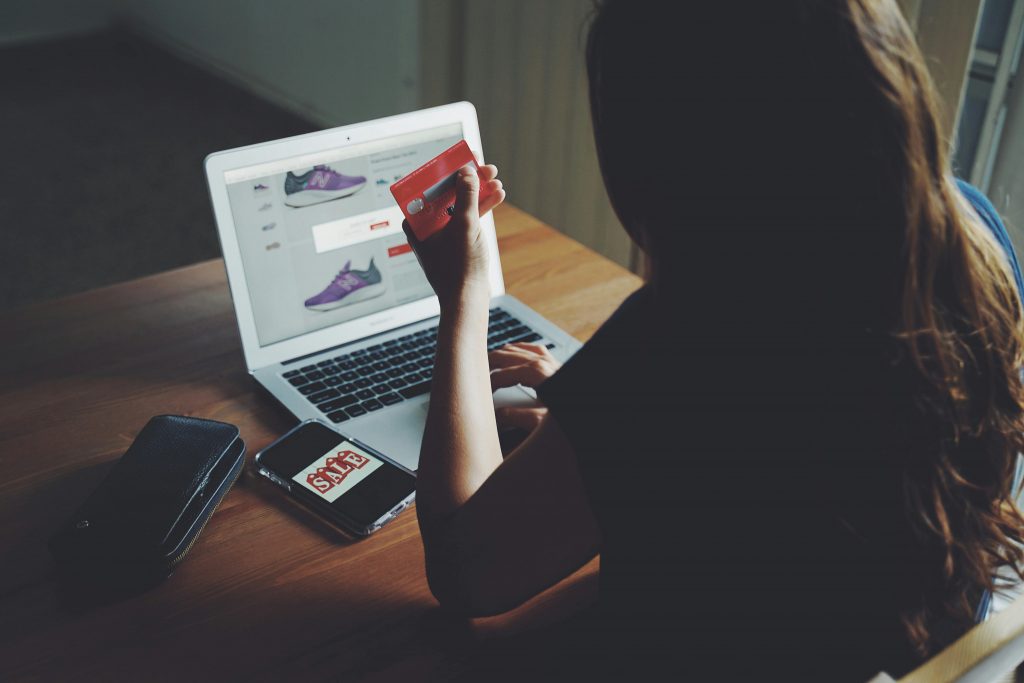
If you decide to use the platform, these steps materially reduce your exposure:
- Use the website, not the app. The app requests far more device permissions than necessary for shopping. The website provides the same shopping experience with significantly less data exposure.
- Pay with PayPal or a virtual card. This prevents Shein from storing your actual card number. PayPal adds a layer of buyer protection. Virtual cards generate a temporary card number that cannot be used elsewhere if stolen.
- Do not store payment details on the platform. Enter payment information fresh each time you shop rather than saving it to your account.
- Create a separate email address for Shein. If that address is caught in a breach or sold to advertisers, your main inbox is not affected.
- Enable two-factor authentication. This prevents account takeover even if your login credentials are compromised in a breach.
- Go directly to shein.com. Bookmark it. Never navigate to Shein through a third-party link, social ad, or email.
- Check reviews before buying. Prioritize listings with verified-purchaser photos and written descriptions of size and material quality.
FAQ
No, Shein is a legitimate business that ships what customers order. But it has a documented history of data mishandling, has been fined over privacy violations in both the U.S. and Europe, and its name is heavily exploited by scammers running fake websites and phishing campaigns.
The platform uses standard encryption and is PCI DSS compliant. However, given Shein’s data breach history, using PayPal or a virtual card is a smarter option as it does not expose your real card number to the platform.
A phishing scheme where fake emails, texts, or social posts claim you have won or been selected for a Shein mystery box. A link leads to a fake page that steals payment information. Shein does not run unsolicited mystery box promotions. Run a search on Social Catfish to find out who’s behind that profile.
Check the URL carefully for slight misspellings or unusual domain extensions. The only official website is shein.com. If you arrived via a link in an ad, email, or social post, verify the domain before entering any information.
Yes. In 2018, hackers accessed data tied to 39 million accounts. Shein’s parent company was later fined $1.9 million for downplaying the breach and failing to notify the vast majority of affected users. In September 2025, French regulators fined Shein €150 million for placing tracking cookies without user consent.
The Bottom Line
Shein is real, and for many shoppers it delivers. But its privacy record is genuinely poor, its data handling has been penalized on two continents, and its massive brand recognition makes it one of the most frequently impersonated names in consumer fraud.
Shopping on Shein safely in 2026 means going directly to the official site, paying in a way that shields your actual card number, and treating every unsolicited contact that uses Shein’s name with immediate skepticism.
The $5 top is real. The risk of handing your payment information to a site that just looks like Shein is also real.
Search any email address, phone number, or username connected to a suspicious Shein-related contact on Social Catfish and know whether you are dealing with the real platform or someone using its name against you.