
 Multiple Faces Detected



 February 23rd, 2026
You found someone on FanCentro. The profile looks real, the messages feel personal, and everything seems genuine. But something is nagging at you, and you can’t quite shake the feeling that something is off.
That instinct is worth listening to. Online platforms that involve personal interactions and financial transactions have become a prime hunting ground for scammers, and FanCentro is no exception. According to the Federal Trade Commission, consumers lost over $3 billion to scams that started online in 2024 alone, more than any other contact method. Platforms built around subscriptions, direct messaging, and exclusive content are exactly where fraudsters thrive, because they know users are already emotionally engaged and accustomed to paying for access.
Scammers are getting smarter. They create convincing fake profiles, steal real creators’ photos, and build enough trust to extract money, personal information, or both before disappearing entirely. Whether you are a fan trying to connect with a creator or someone exploring the platform for the first time, knowing how to tell a legitimate interaction from a scam could save you a significant amount of money and heartache.
This guide breaks down exactly what to look for, what red flags to take seriously, and how to protect yourself on FanCentro in 2026. If you already have someone in mind that you are not sure about, run a search on Social Catfish right now and get the answers you need before things go any further.
What Is FanCentro and Why Do Scammers Target It?

Understanding the Platform
FanCentro is a subscription-based content platform that allows creators, influencers, models, and adult content creators to monetize their content through paid subscriptions, direct messaging, and exclusive media. Fans pay to access content and interact directly with creators, often forming ongoing conversations and personal connections through the platform.
It is a legitimate platform used by thousands of real creators. However, like any platform that combines personal interaction with financial transactions, it also attracts fraudsters who exploit the nature of those interactions to take advantage of unsuspecting users.
Why Scammers Are Drawn to Platforms Like FanCentro
The combination of personal connection and payment creates the perfect environment for fraud. Scammers know that users on platforms like FanCentro are already emotionally invested and accustomed to paying for content and conversations. This makes it far easier to manipulate someone into sending additional money, handing over personal details, or clicking a malicious link, all without raising immediate suspicion.
Fake profiles, stolen identities, and impersonation scams are all common on content platforms. A fraudster may pose as a popular creator, use stolen photos to build a convincing profile, and then direct fans toward outside payment methods, fake tip links, or phishing websites. By the time the victim realizes something is wrong, the money is already gone.
The Most Common FanCentro Scams to Know About
Fake Creator Profiles
One of the most widespread scams on FanCentro involves fraudsters creating fake profiles that impersonate real, well-known creators. They steal profile photos, copy bios, and even replicate posting styles to make the account appear legitimate. Once a fan subscribes or starts messaging, the scammer works to redirect them to outside platforms or pressure them into sending money directly, often claiming it is for exclusive content that never arrives. If you suspect a profile may not be genuine, running a reverse image search on Social Catfish can quickly reveal whether those photos belong to someone else entirely.
Phishing Links and Fake Payment Pages
Another common tactic involves sending fans links to what appears to be a payment portal, tip page, or exclusive content vault. In reality, these links lead to phishing websites designed to steal credit card details, login credentials, or personal information. These messages often come through direct messaging on the platform and are crafted to look like official FanCentro communications.
Blackmail and Sextortion
Some scammers on FanCentro engage users in explicit conversations or content exchanges and then use that material as leverage. Once they have compromising photos or messages, they threaten to share them publicly unless the victim pays. This type of scam is particularly damaging because it combines financial loss with emotional distress and the very real fear of public exposure.
The “Move Off Platform” Request
A major red flag on any content platform is when someone asks you to continue your interaction outside of FanCentro via WhatsApp, Telegram, or a personal payment app like Venmo or Cash App. Legitimate creators have no reason to move paying fans off the platform. When a scammer pushes for off-platform communication, it is almost always because they want to operate outside the protections FanCentro offers and make it harder to trace or report them.
Red Flags That a FanCentro Interaction Is Not Legit
Knowing the warning signs is one of the most effective tools you have. While no single red flag is definitive on its own, a combination of the following should prompt you to stop and investigate before going any further.
Profile Red Flags
- The account was created recently and has very few posts or followers
- There is no external social media presence to verify the creator’s identity
- Profile photos look overly professional but the account history is thin or inconsistent
- The bio is vague, copied, or contains unusual grammatical errors
Payment Red Flags
- They are asking you to pay via gift cards, wire transfer, cryptocurrency, or a personal payment app
- They claim the FanCentro payment system is not working and offer an alternative link
- You are being pressured to tip or subscribe before a supposed deadline
- Any payment link directs you to a website that does not look like the official FanCentro platform
Communication Red Flags
- Messages feel generic, scripted, or as though they could have been sent to anyone
- They are pushing to move the conversation to WhatsApp, Telegram, or another outside platform
- They are escalating the relationship unusually fast and becoming overly personal very quickly
- They refuse to video call, always have an excuse for why they cannot, or the video quality is suspiciously poor
If you are seeing multiple red flags at once, do not wait. Run a search on Social Catfish to verify the person’s identity before you take any further action.
How to Verify Whether a FanCentro Profile Is Real
Cross-Check Their Social Media Presence
Most legitimate FanCentro creators maintain an active presence on other platforms such as Instagram, Twitter, or TikTok. Search for the creator’s name or username across social media and look for consistency. Do the profile photos match? Does the account history align with what they have told you? A creator with no external presence outside of FanCentro should raise questions.
Do a Reverse Image Search
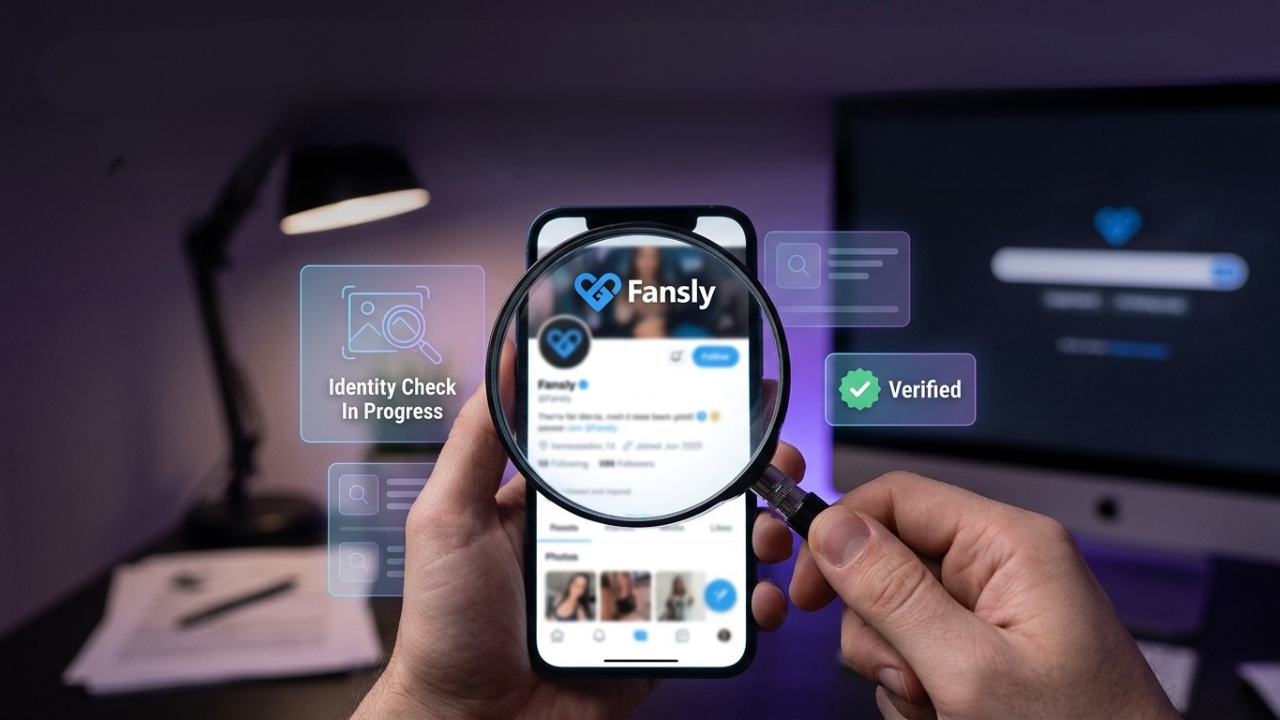
Take any photo from the FanCentro profile and run it through a reverse image search. If the image appears on other websites under a different name or attached to a completely different profile, you are almost certainly looking at a fake account built on stolen photos. Social Catfish’s reverse image search tool makes this process fast and thorough, scanning across the internet to surface any matching results in seconds.
Verify Their Contact Details
If someone has given you a name, phone number, email address, or username outside of FanCentro, those details can all be searched and cross-referenced. Social Catfish allows you to search all of these to confirm whether the information checks out or whether the person is hiding behind a fabricated identity.
A Quick Checklist Before You Pay
Before subscribing or sending money to any FanCentro creator you are unsure about, run through these steps:
- Search their username on Google and other social platforms
- Run their profile photo through a reverse image search
- Check whether their name or email address returns any results linked to scam reports
- Look for reviews, mentions, or any verifiable trace of them existing outside of FanCentro
- If something still feels off after all of that, contact Social Catfish for a deeper search
What to Do If You Have Already Been Scammed on FanCentro

If you realize you have fallen victim to a scam on FanCentro, the most important thing is to act quickly. Stop all communication with the scammer immediately and do not send any further money regardless of what threats or promises they make.
Steps to Take Right Away
- Report the profile directly to FanCentro so the account can be investigated and removed
- File a report with the FTC at ReportFraud.ftc.gov
- If the fraud involved significant financial loss or criminal threats, file a complaint with the FBI at IC3.gov
- Contact your bank or payment provider right away to dispute any unauthorized transactions
- Document everything screenshots, messages, and payment records before cutting off contact
If the scam involved blackmail or sextortion, do not delete any evidence. That documentation will be essential if law enforcement becomes involved. And if you need help identifying who is actually behind the fake profile, Social Catfish’s Search Specialists are experienced investigators who can conduct a thorough, hands-on investigation on your behalf and help you uncover the real identity of the person who scammed you.
Top 5 Frequently Asked Questions
Yes, FanCentro is a legitimate subscription-based content platform used by thousands of real creators. However, like any platform that combines personal interactions with financial transactions, it can also attract scammers who create fake profiles and exploit users. The platform itself is not the problem, but knowing how to tell a real interaction from a fraudulent one is essential for anyone using it.
Look for a consistent posting history, an active presence on other social media platforms, and verifiable information that matches across accounts. Run their profile photos through a reverse image search to confirm the images have not been stolen from someone else.
Stop all communication and do not send any more money. Report the profile directly to FanCentro and file a report with the FTC at ReportFraud.ftc.gov. If you have already lost money, contact your bank or payment provider immediately to report the fraud. Document everything, screenshots, messages, and any payment records, as this will be important if you need to escalate the matter.
Scammers ask to move off the platform because FanCentro has reporting and moderation tools that can get their accounts flagged or removed. By moving to WhatsApp, Telegram, or a personal payment app, they operate in a space where it is much harder to trace them, report them, or recover any money sent.
Social Catfish allows you to verify the identity of anyone you have encountered on FanCentro using a reverse image search, email lookup, phone number search, username search, name search, or address lookup. If the person is hiding behind a fake profile, Social Catfish can expose them quickly before you hand over any money or personal information.
Final Thoughts
Not every FanCentro interaction is what it appears to be, and that is something every user on the platform needs to understand going in. The combination of personal connection, paid content, and direct messaging makes it an attractive target for scammers who are skilled at exploiting trust and emotional investment. The fake profiles, phishing links, and off-platform payment requests may look convincing at first, but once you know what to look for, the warning signs are there.
The most important thing you can do is slow down before you spend. Take the time to verify who you are talking to, cross-check their social media presence, run their photos through a reverse image search, and pay close attention to anything that feels rushed, pressured, or too good to be true. Real creators on FanCentro want your genuine support; they do not need to pressure you, redirect you off the platform, or ask for payment in ways that cannot be traced.
If you ever find yourself questioning whether a FanCentro interaction is legitimate, do not ignore that feeling. Social Catfish gives you the tools to get real answers fast, and if your situation calls for something deeper, their Search Specialists are ready to uncover the truth on your behalf. Protect yourself, trust your instincts, and never let urgency or emotion override your better judgment.