
 Multiple Faces Detected


 January 21st, 2026
In a world where AI can generate flawless faces in seconds, that perfect profile picture might not be so perfect after all.
The numbers tell a startling story: 52% of Americans who have used online dating sites or apps say they’ve encountered someone they believed was trying to scam them, according to Pew Research Center. With AI-generated images becoming increasingly sophisticated and harder to detect, catfishers and scammers have a powerful new weapon in their arsenal.
Whether you’re navigating online dating, verifying social media connections, or investigating suspicious business contacts, knowing how to spot AI-generated images has become an essential digital survival skill. The line between real and artificial has never been blurrier, but Social Catfish’s verification tools can help you see clearly.
The Rise of AI-Generated Images
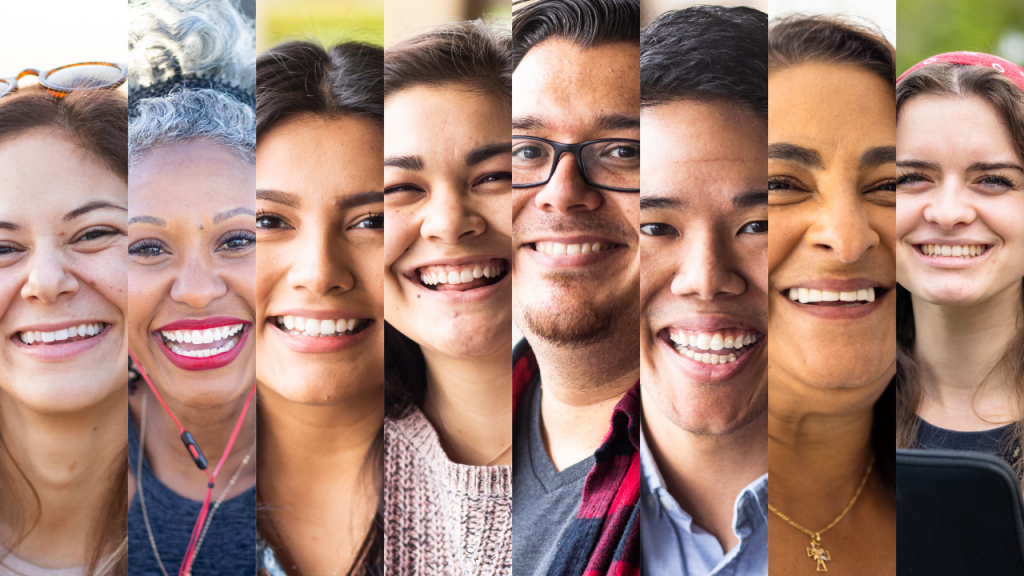
Artificial intelligence has revolutionized image creation, making it easier than ever to generate hyper-realistic faces, places, and scenarios that never actually existed. Tools like DALL-E, Midjourney, and Stable Diffusion have democratized image generation, but they’ve also opened the floodgates for deception.
Scammers and catfishers have quickly adopted this technology to create convincing fake identities. Unlike stolen photos from real people, AI-generated images don’t appear in reverse image searches on traditional platforms, making them harder to detect and trace. This evolution in deception tactics means we need equally sophisticated tools to fight back.
Common Signs of AI-Generated Images
Before diving into verification tools, it’s helpful to know what to look for. AI-generated images often contain subtle tells that reveal their artificial nature:
Visual Anomalies to Watch For
- Asymmetrical features: Earrings that don’t match, glasses with inconsistent frames, or eyes that look slightly different
- Unnatural backgrounds: Blurred or distorted elements, text that’s gibberish, or architectural features that defy physics
- Hair and texture issues: Hair that blends unnaturally into the background or has an overly smooth, plastic-like quality
- Skin inconsistencies: Too-perfect skin without pores, odd lighting that doesn’t match the environment, or unusual shadows
- Hand and finger problems: Extra fingers, missing fingers, or hands in impossible positions (a notorious weakness of AI image generators)
While these signs can help, they’re not foolproof. As AI technology improves, these tells become increasingly subtle and harder to spot with the naked eye.
How Social Catfish Can Help
This is where Social Catfish becomes your digital detective. Our platform offers comprehensive tools designed specifically to verify online identities and uncover the truth behind suspicious images.
Reverse Image Search
Our Reverse Image Search tool is your first line of defense against fake profiles and AI-generated images. Here’s how it works to protect you:
What It Does: Upload any image or paste an image URL, and our advanced search engine scans billions of online sources to find where else that image appears. This includes social media platforms, dating sites, websites, and more.
Why It Matters for AI Images: If an image was stolen from someone else online, our reverse image search will find the original source. If the image returns no results or only appears on recently created profiles, that’s a major red flag that it could be AI-generated or part of a catfishing scheme.
Real-World Application: Imagine you’re talking to someone on a dating app with model-quality photos. A quick reverse image search reveals either (a) the photos belong to a real person being impersonated, or (b) the images don’t exist anywhere else online, suggesting they’re freshly created by AI for this fake profile.
Additional Verification Tools
Social Catfish goes beyond just image searches. Our platform offers multiple layers of verification to help you confirm someone’s identity:
- Name Search: Cross-reference the name they’ve given you with public records, social media accounts, and other online presence
- Phone Number Search: Verify the legitimacy of their phone number and see what other information connects to it
- Email Search: Discover what accounts and profiles are associated with their email address
- Social Media Search: Find all social media profiles connected to a person to verify consistency in their story
These tools work together to paint a complete picture. If someone is using an AI-generated image, inconsistencies often appear when you dig deeper into their other details.
Step-by-Step: Verifying a Suspicious Image
Let’s walk through the process of checking whether an image is real or AI-generated using Social Catfish:
Step 1: Save the Image
Download or screenshot the image you want to verify. Make sure you have a clear, full-resolution version for the best results.
Step 2: Run a Reverse Image Search
Visit Social Catfish and navigate to our Reverse Image Search tool. Upload your image or paste the URL where it appears online.
Step 3: Analyze the Results
Look at where the image appears online. Key questions to ask:
- Does it appear on multiple legitimate profiles with the same person?
- Is there a clear original source (like a professional photography site or long-standing social media account)?
- Or does it only appear on brand new profiles with no history?
Step 4: Cross-Reference Other Details
Use the person’s other information (name, phone number, email, location) with Social Catfish’s additional search tools. Do these details align with the image and story they’re presenting?
Step 5: Look for Consistency
Check if their online presence is consistent across platforms. Real people have digital footprints that span years. Fake profiles often have recently created accounts with minimal history.
Red Flags That Suggest an AI Image
When reviewing your search results, watch for these warning signs:
- Zero Results: The image appears nowhere else online, suggesting it was recently created
- Only New Profiles: The image only appears on accounts created within the last few months
- Generic Stock Photo Sites: The image appears on AI image generation showcase sites or stock photo platforms
- Inconsistent Stories: The person’s details don’t match what you find in searches
- Reluctance to Video Chat: They always have excuses for why they can’t do a video call
- Too Perfect: Professional-quality photos that look like magazine covers, especially if they claim to be an average person
Why This Matters Now More Than Ever
The stakes of AI-generated images extend beyond romance scams. These fake images are being used for:
- Financial fraud: Creating fake business personas to gain trust before scamming victims
- Identity theft: Generating synthetic identities for illegal activities
- Disinformation campaigns: Creating fake social media accounts to spread misleading information
- Corporate espionage: Posing as employees or contractors to gain access to sensitive information
According to cybersecurity experts, synthetic identity fraud is one of the fastest-growing financial crimes, with losses reaching billions annually. Social Catfish helps you stay ahead of these threats by giving you the tools to verify before you trust.
Best Practices for Online Safety
Beyond using verification tools, follow these best practices to protect yourself:
- Trust Your Instincts: If something feels off, it probably is
- Verify Early: Check images and details before you become emotionally invested
- Request Video Calls: Real people can video chat; AI-generated personas cannot
- Watch for Inconsistencies: Pay attention when details in their story don’t add up
- Never Send Money: Legitimate connections won’t ask for financial help early in a relationship
- Keep Personal Information Private: Don’t share sensitive details until you’ve thoroughly verified someone’s identity
Frequently Asked Questions
Can AI-generated images be detected with 100% accuracy?
No verification method is 100% foolproof, but using multiple tools together significantly increases your chances of detecting fake images. Social Catfish’s combination of reverse image search and identity verification tools provides comprehensive protection.
How long does a reverse image search take?
Social Catfish’s reverse image search typically produces results within seconds to a few minutes, depending on the complexity of the search and the size of the image.
What if the reverse image search returns no results?
No results can actually be a red flag. While it might mean the person is simply very private online, it often indicates the image is either AI-generated or from a very recent fake profile. Use Social Catfish’s other verification tools to investigate further.
Are AI-generated images illegal?
Creating AI images isn’t illegal, but using them to deceive people for financial gain, romantic scams, or fraud is illegal. If you’ve been victimized by someone using AI-generated images, report it to the FBI’s Internet Crime Complaint Center (IC3) and local law enforcement.
Can Social Catfish help if I’ve already been scammed?
Yes. Our investigation tools can help gather evidence about the scammer’s identity and online activity, which can be valuable for law enforcement reports. Our search tools can also help you understand the scope of the scam and whether others have been targeted.
Do I need technical skills to use Social Catfish?
Not at all. Social Catfish is designed for everyday users. Simply upload an image or enter the information you want to verify, and our platform does the complex searching for you.
How often should I verify someone’s identity?
Trust your gut. If you’re moving from casual conversation to sharing personal information, meeting in person, or discussing anything involving money, it’s time to verify. Many users search early and often to stay safe.
Take Control of Your Online Safety
In an era where seeing no longer means believing, verification tools aren’t optional—they’re essential. AI-generated images have made it easier than ever for scammers to create convincing fake identities, but Social Catfish gives you the power to fight back.
Don’t wait until you’re emotionally or financially invested to discover the truth. Whether you’re dating online, making new professional connections, or simply want peace of mind about someone you’ve met digitally, Social Catfish’s verification tools help you separate real from fake.
Remember: legitimate people have verifiable online footprints. If someone’s image, story, and details don’t check out, trust the evidence over your emotions. Your safety and security are worth the few minutes it takes to verify the truth.
Stay safe, stay informed, and never hesitate to verify before you trust.