
 Multiple Faces Detected



 January 21st, 2026
Artificial Intelligence (AI) has become one of the most transformative forces of the 21st century. It powers everything from personalized recommendations on Netflix to sophisticated self-driving vehicles. But while AI offers efficiency and convenience, it also poses serious risks, especially when used to deceive, manipulate, or defraud.
Among the most troubling developments is the way scammers are using AI to fuel a new wave of cybercrime. What once took time, effort, and social engineering skills can now be replicated or scaled through AI in mere seconds. And the consequences? Millions of dollars were lost, and countless victims were emotionally and financially devastated.
In this article, we’ll explore how AI is weaponized in modern scams, the real-life consequences for everyday people, and the critical steps you can take to stay protected in a rapidly evolving digital world, starting with tools like Social Catfish that help you verify identities, listings, and online relationships before it’s too late.
The New Face of Scams: Powered by AI

Traditionally, online scams relied on human scammers sending phishing emails or spinning tales of fake inheritances or “romance” from abroad. These tactics still exist, but now they’re enhanced with AI-powered tools that can create believable content, forge realistic identities, and manipulate victims at scale.
Some examples include:
- Chatbots that carry out full conversations on dating platforms or investment forums.
- Voice-cloning tools that replicate loved ones or authority figures.
- Deepfake videos and photos used to legitimize fraudulent claims.
- Hyper-personalized messages are generated using scraped data from social media profiles.
This is no longer the era of broken English and fake offers. These scams are polished, convincing, and frighteningly fast.
AI and the Illusion of Trust
One of the main goals of any scam is to build trust, and AI excels at that. Scammers can now feed data into AI tools to craft responses that mimic human behavior with chilling accuracy. Whether you’re receiving a text, email, or voice message, the tone and language can sound completely genuine.
Example: The “Voice of a Loved One” Scam
Imagine receiving a call from your “daughter” saying she’s in trouble and needs money immediately. Her voice sounds panicked, and you can hear familiar inflections. But it’s not her, it’s an AI-trained voice model using a few seconds of audio pulled from TikTok or Instagram. These voice clone scams are rising fast and have already led to real losses.
Romance Scams: AI’s Emotional Weapon
Romance scams are especially insidious because they prey on emotional vulnerability. AI has taken this a step further by automating the manipulation.
Scammers now use AI-powered chatbots to:
- Hold long, meaningful conversations
- Remember personal details and reference them naturally
- Send fake photos created with AI (e.g., AI-generated profile pictures)
- Play on emotions like loneliness, love, and fear
Victims often believe they’ve built a genuine connection, sometimes for months before they’re asked for money. By the time red flags appear, trust is already firmly established.
Fake Listings and Marketplace Scams
Online marketplaces like Craigslist, Facebook Marketplace, and Zillow have become fertile ground for AI-assisted scams. Fraudsters use AI to:
- Write compelling product descriptions
- Generate high-quality fake listing images
- Auto-respond to inquiries using AI chatbots
- Pose as landlords or sellers with fabricated documents
These scams are especially damaging because they target people in vulnerable situations, like those looking for housing, jobs, or quick deals.
Red flag example: A great apartment is listed at a low price. The “landlord” is only available via email, asks for a deposit upfront, and refuses in-person meetings. A reverse address lookup reveals the property isn’t for rent or is currently owner-occupied.
Protective tip: Before handing over money, use tools like Social Catfish’s reverse address search to verify if a listing is legit.
Deepfakes: The Visual Frontier of AI Scams
Deepfakes are AI-generated videos or images that look real but are entirely fake. They’ve been used to impersonate celebrities, executives, and even family members. In the hands of scammers, deepfakes can:
- Create fake video “testimonials” for investment scams
- Mimic C-suite executives in fraudulent video calls
- Generate phony identities for dating or social media scams
What makes deepfakes dangerous is their high level of believability. If a picture is worth a thousand words, a convincing deepfake is worth thousands of dollars to the scammer.
The Scale Problem: AI Makes Scamming Easier, Cheaper, and Faster
Before AI, executing a successful scam required time, research, and effort. Now, with a few clicks, scammers can:
- Spin up 100 fake profiles on dating sites
- Scrape thousands of emails and generate personalized phishing messages
- Run entire call center-style operations with AI-powered voices
- Launch scam campaigns across multiple languages and platforms
This ability to scale deception is the most dangerous aspect of AI in cybercrime.
Social Engineering 2.0
Social engineering is the psychological manipulation of individuals to divulge confidential information. AI takes it to the next level by mimicking:
- Real-life conversational flow
- Emotional triggers like urgency, fear, or empathy
- Legitimate-sounding jargon in fields like finance, crypto, or real estate
When victims are targeted with AI-driven interactions that feel natural and personalized, the defenses that usually guard against scams can be bypassed entirely.
Who’s Most at Risk?
While anyone can be scammed, AI-enhanced scams particularly affect:
- Seniors, who may not recognize newer technologies like voice cloning or deepfakes.
- Young adults, who overshare on social media and are more trusting of digital relationships.
- Job seekers, especially on platforms like LinkedIn, where AI is used to mimic recruiters.
- Investors, targeted with hyper-realistic whitepapers, pitch decks, and deepfake “executives.”
Scammers no longer rely on broad spam campaigns. AI allows them to target specific groups with tailored schemes.
What You Can Do: Smart Strategies to Stay Safe

While AI scams are evolving, there are still strong ways to protect yourself:
- Verify before you trust. Don’t rely on what you see or hear—dig deeper.
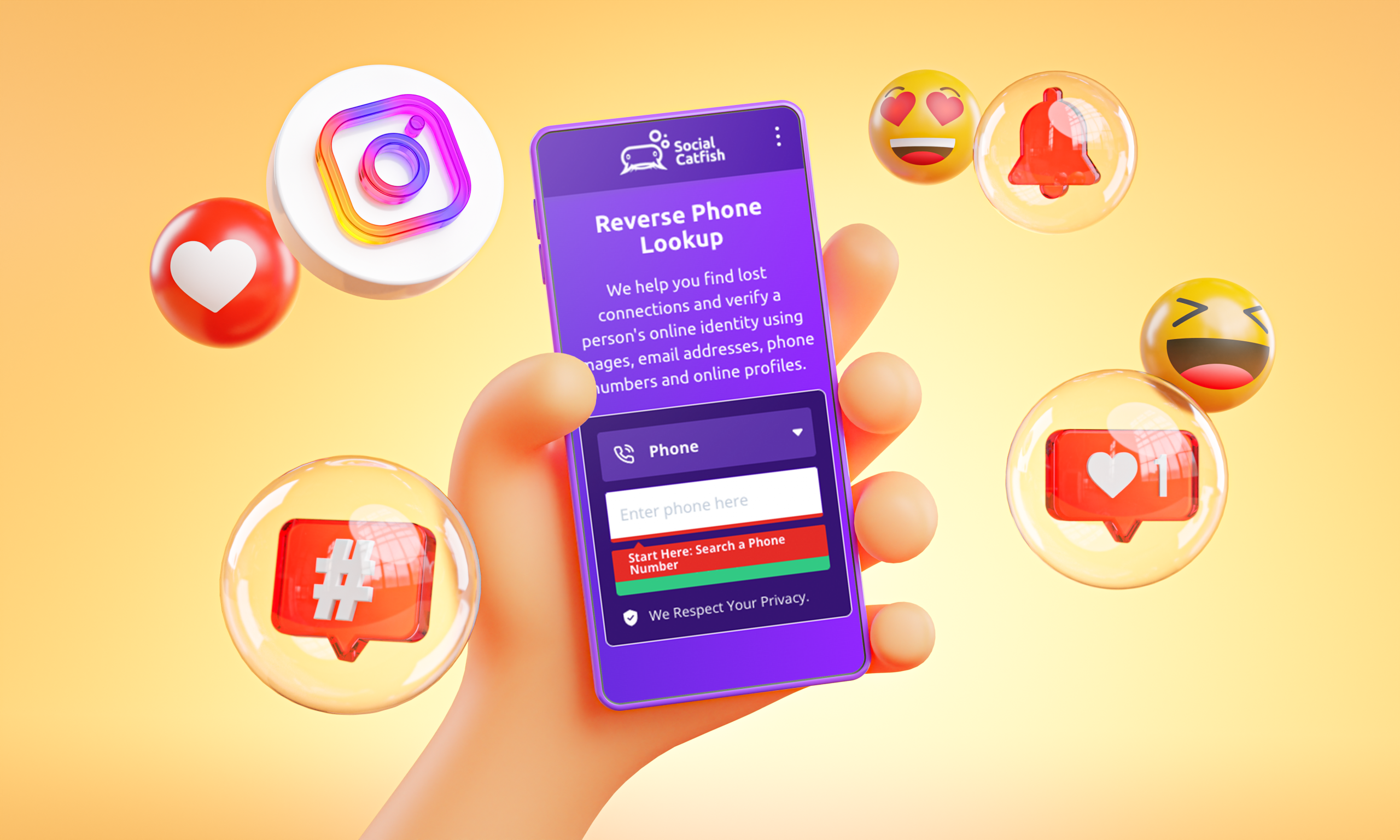
- Use reverse lookups. Tools like Social Catfish can help verify photos, phone numbers, addresses, and identities.
- Stay alert to emotional triggers. Scammers often pressure victims to act fast or feel sympathy.
- Limit what you share online. Public photos, voice clips, and details can all be used to target you.
Educate your circle. Share warnings with family and friends, especially those less familiar with technology.
AI Isn’t the Villain, But It Can Be the Weapon
It’s important to remember: AI is not inherently bad. It’s a tool, and like any tool, its impact depends on how it’s used. In the hands of scammers, AI can mimic trust, hijack emotions, and fabricate convincing lies. In the hands of consumers, law enforcement, and ethical tech companies, it can be used to detect fraud, track criminals, and protect users.
This growing “arms race” between AI-powered scams and AI-powered protection means vigilance is no longer optional.
Final Thoughts: Don’t Just React, Be Proactive
The future of fraud is here, and it’s artificially intelligent.
Scammers are using AI to impersonate, manipulate, and steal at a scale the world has never seen. The best defense is a proactive one. Stay informed. Verify before you act. And rely on trustworthy tools that help separate fact from fiction.
If something feels off, whether it’s a suspicious message, a too-good-to-be-true listing, or an online relationship, run a verification through Social Catfish before it costs you.