Multiple Faces Detected


 February 24th, 2026
Ever wondered who lives at a particular address or what you can discover about a property before visiting? Reverse address lookup is a powerful investigative tool that reveals detailed information about residential and commercial properties, their owners, and surrounding neighborhoods. Whether you’re verifying a potential roommate, checking out a neighborhood before moving, or investigating suspicious activity, reverse address lookup provides valuable insights that can protect your safety and inform your decisions.
Unlike traditional address searches, which help you find someone’s location, reverse address lookup works in the opposite direction you start with an address and uncover everything associated with that location. This comprehensive approach gives you access to public records, property details, resident information, and neighborhood data that might not be readily available through other means.
What Is Reverse Address Lookup?
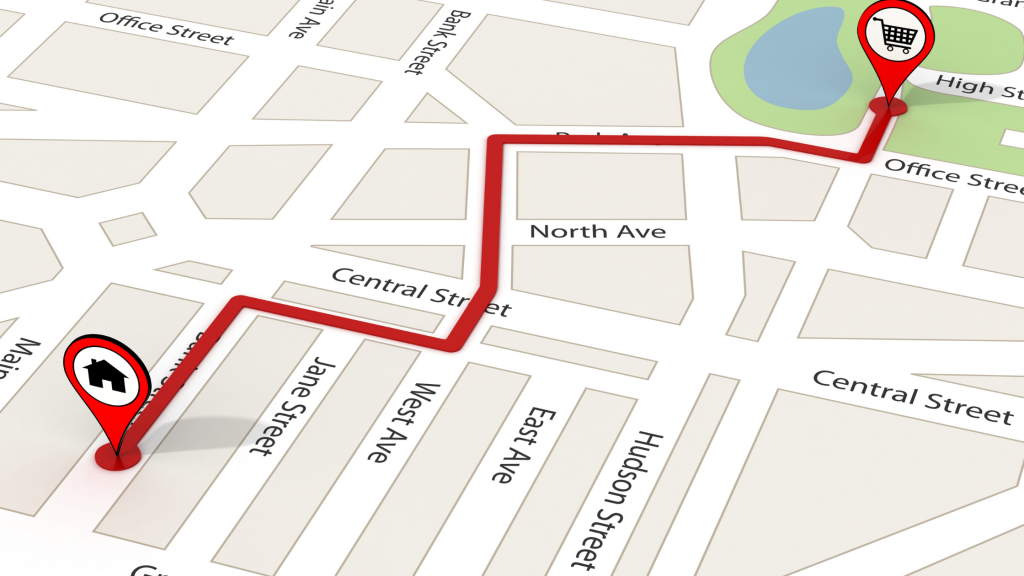
Reverse address lookup is a search process using a physical address to retrieve detailed information about a property and its residents. This powerful tool accesses multiple databases, including public records, property tax information, voter registrations, and real estate listings, to compile a comprehensive address profile.
The process works by cross-referencing the address against various government databases, public records, and commercial data sources. Within seconds, you can access information that would otherwise require visiting multiple government offices or spending hours researching online.
Modern reverse address lookup services have evolved to include not just basic property information but also historical data, neighborhood demographics, and even social media connections of current and former residents. This makes them invaluable tools for anyone needing to verify address information or conduct due diligence on a location.
What Information Can You Discover?
Property Details and History
A reverse address lookup reveals extensive property information, including the home’s construction date, square footage, lot size, property value, and tax assessment history. You’ll also find details about recent sales, price history, and any major renovations or additions reported to local authorities.
This information is invaluable when evaluating rental properties, considering a home purchase, or researching your neighborhood. Property history can reveal patterns like frequent ownership changes, which might indicate underlying issues with the property or area.
Current and Former Residents
One of the most valuable aspects of reverse address lookup is identifying current and previous residents. This includes full names, approximate ages, and length of residence. You might also discover family connections, as the search often reveals multiple generations living at the same address or relatives who have previously resided there.
This resident information becomes crucial when verifying someone’s living situation, investigating potential roommates, or confirming the legitimacy of business addresses. However, it’s important to use this information responsibly and comply with privacy laws.
Neighborhood Demographics and Safety
Beyond individual property details, reverse address lookup provides neighborhood-level insights, including demographic information, crime statistics, school district ratings, and local amenities. This comprehensive view helps you understand an area’s character and safety before visiting or moving there.
You’ll often find information about nearby businesses, public transportation options, and community resources that impact property values and quality of life. This data proves especially helpful for families researching school districts or individuals concerned about neighborhood safety.
Legal and Legitimate Uses
Real Estate Due Diligence
Real estate professionals and potential buyers use reverse address lookup to verify property information, assess neighborhood trends, and identify any red flags before making significant investments. This includes checking for liens, verifying square footage claims, and understanding the property’s market position.
The ability to research comparable properties and understand neighborhood dynamics helps both buyers and sellers make informed decisions about pricing and timing.
Tenant and Roommate Screening
Landlords and individuals seeking roommates often utilize reverse address lookup to verify applicants’ previous addresses and understand their residential history. This can reveal patterns of frequent moves, evictions, or other concerns that might not surface in standard background checks.
However, this must be done in compliance with fair housing laws and privacy regulations. Always obtain proper consent before conducting address searches on potential tenants or roommates.
Personal Safety and Verification
In our increasingly connected world, reverse address lookup serves as a personal safety tool. Whether you’re meeting someone from a dating app, buying items from online marketplaces, or visiting unfamiliar locations, verifying address information can protect you from potential scams or dangerous situations.
This is particularly relevant when considering the privacy implications of location-based apps and services that might expose your home address to strangers.
Advanced Techniques and Related Services
IP Address Integration
Modern investigation techniques often combine reverse address lookup with IP address lookup by address to create a more complete picture of online and offline activity associated with a location. This proves particularly useful for cybersecurity investigations and online fraud prevention.
Skip Tracing Applications
Professional investigators and debt collectors use reverse address lookup as part of comprehensive skip tracing services to locate individuals who have moved without leaving forwarding addresses. This combines address history with other investigative techniques to track down hard-to-find people.
Mobile Location Considerations
Understanding how mobile tracking technologies interact with physical addresses helps protect your privacy. Many apps can correlate your device’s location with address databases, potentially exposing personal information you’d prefer to keep private.
Privacy Concerns and Protection
Unauthorized Tracking Risks
While reverse address lookup serves many legitimate purposes, it’s important to understand how this information might be used against you. Criminals and stalkers can exploit publicly available address information to track your movements or gather intelligence for harassment or burglary.
Location Services Management
Learn about limiting location services on your devices to protect yourself from unwanted attention. Many apps collect and share location data that can be cross-referenced with address databases to build detailed profiles of your daily routines.
Dating App Vulnerabilities
Popular dating and social apps often expose location information that can be combined with reverse address lookup to identify users’ home addresses. This is particularly concerning with apps, where location features can be exploited by malicious users to find and potentially harm other users.
How to Perform Effective Reverse Address Lookup
Choose Reliable Services
Select reputable reverse address lookup services that access comprehensive databases and provide accurate, up-to-date information. Look for platforms that clearly state their data sources and update frequencies. Professional services often provide more detailed and reliable information than free alternatives.
Verify Information Accuracy
Always cross-reference information from multiple sources, as databases can contain outdated or incorrect information. Public records might not reflect recent changes in ownership or occupancy, so use reverse address lookup as a starting point rather than definitive proof.
Understand Legal Limitations
Familiarize yourself with local laws regarding information privacy and permissible uses of personal data. While much of the information available through reverse address lookup comes from public records, privacy laws and anti-stalking statutes may regulate how you use this information.
Protecting Your Own Address Information
Limit Public Exposure
Be mindful of how your address information appears in public records and online databases. Consider using post office boxes for non-essential mail, and be cautious about sharing your home address on social media or public websites.
Regular Privacy Audits
Periodically conduct reverse address lookups on your own property to understand what information is publicly available about you. This helps you identify potential privacy vulnerabilities and take steps to limit unwanted exposure.
Opt-Out Options
Many data brokers and address lookup services offer opt-out procedures that allow you to remove your information from their databases. While this doesn’t eliminate all traces of your address information, it can reduce your exposure to casual searches.
The Future of Address Intelligence
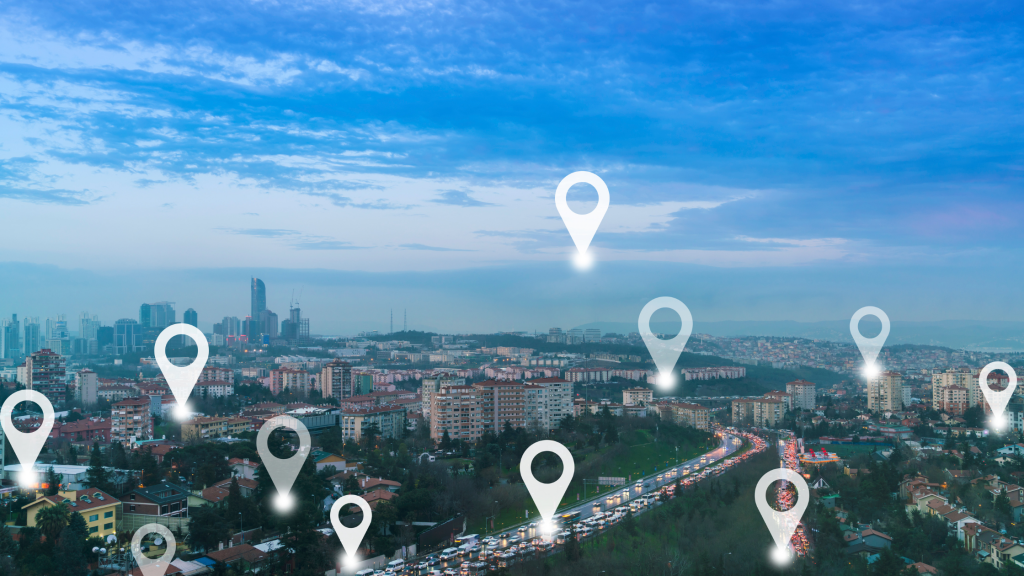
As data collection and analysis technologies advance, reverse address lookup services are becoming more sophisticated and comprehensive. Artificial intelligence and machine learning are being integrated to provide more accurate predictions about property values, neighborhood trends, and resident stability.
However, this increased capability comes with greater privacy concerns. Regulations like the California Consumer Privacy Act (CCPA) and similar laws worldwide are establishing new standards for how personal information, including address data, can be collected and used.
Best Practices and Ethical Considerations
Responsible Use Guidelines
Always use reverse address lookup services ethically and legally. Obtain proper consent when researching individuals, respect privacy boundaries, and avoid using the information for harassment, stalking, or discrimination.
Professional Applications
If you’re using reverse address lookup for business purposes, ensure compliance with applicable laws, including the Fair Credit Reporting Act (FCRA), Fair Housing Act, and state privacy regulations. Professional use often requires additional documentation and consent procedures.
Continuous Learning
Stay informed about evolving privacy laws and digital security practices. Understanding how your personal information flows through various databases helps you make informed decisions about privacy protection and responsible information use.
Making Informed Decisions
Reverse address lookup is a powerful tool that provides valuable insights into properties, residents, and neighborhoods. When used responsibly and ethically, it can enhance your safety, inform important decisions, and protect you from potential scams or dangerous situations.
However, with this power comes responsibility. Always consider the privacy implications of your searches, use information ethically, and stay informed about legal requirements in your jurisdiction. Whether researching a potential home, verifying a business location, or ensuring your privacy protection, comprehensive address checking services provide the information you need while respecting important privacy boundaries.
Remember that information is only as valuable as how responsibly you use it. Reverse address lookup should enhance your decision-making process while respecting the privacy and rights of others in our interconnected digital world.