

 Multiple Faces Detected



 November 17th, 2026
Oil rig scammer pictures are one of the most common props in romance scams. Someone you met online says they work on an oil rig, sends photos in a hard hat and coveralls, and then can’t video call, can’t meet, and eventually asks for money. The photos are usually stolen from a real person or edited, and the story is meant to explain why you can never see them live. These photos are often copied from Instagram and other social media accounts of real engineers and contractors.
This guide shows what these pictures look like, the red flags that go with them, the names that show up most in victim reports, and how to check whether the person you are talking to is who they say they are.
One note first. A hard hat photo doesn’t make someone a scammer, and real oil rig workers exist. The pattern matters more than any one picture.
Name Search Examples
To get more accurate results, enter the full name including at least First name, Middle name and Last name.
Email Search Examples
Phone Search Examples
Username Search Examples
Address Search Examples
Start typing the initial part of the address and select from the addresses given dropdown afterward.
We Respect Your Privacy.
What Oil Rig Scammer Pictures Look Like
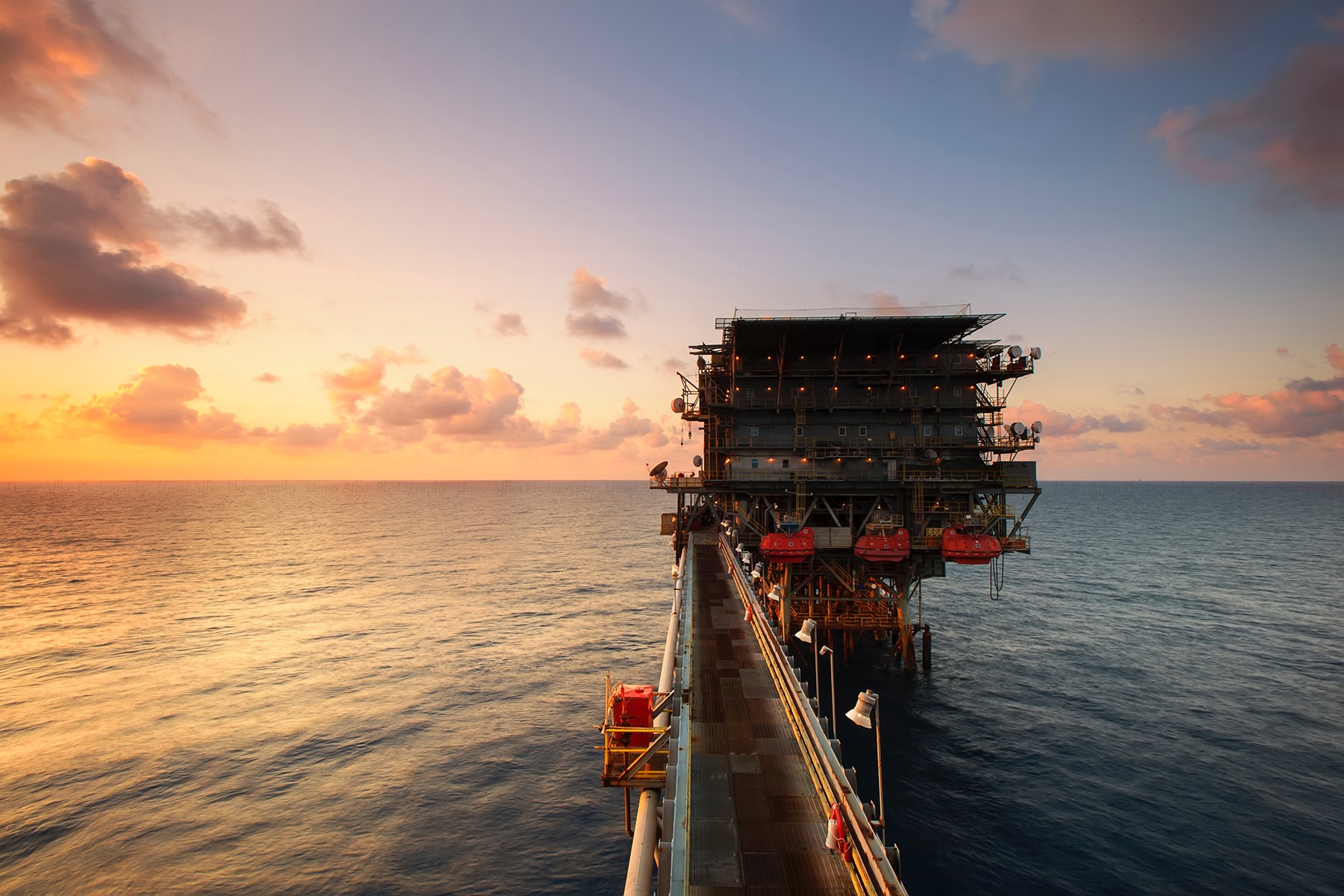
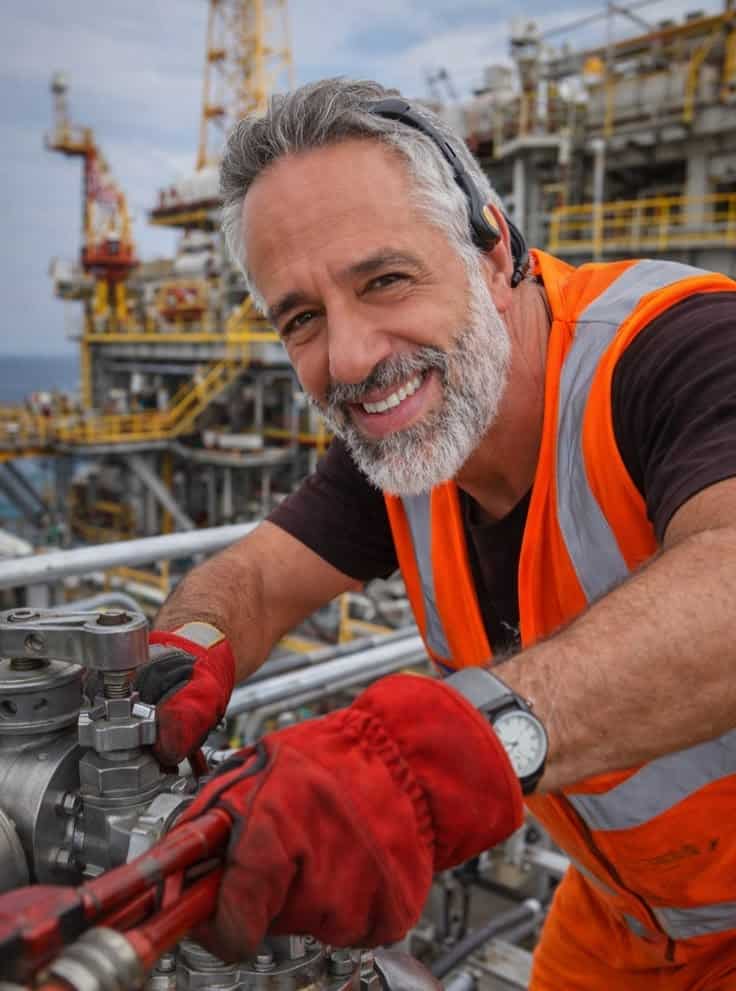
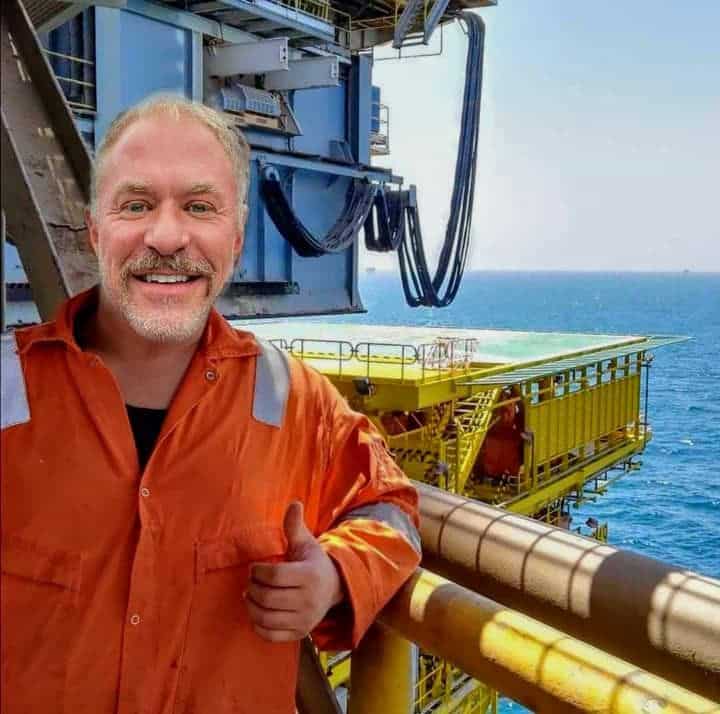
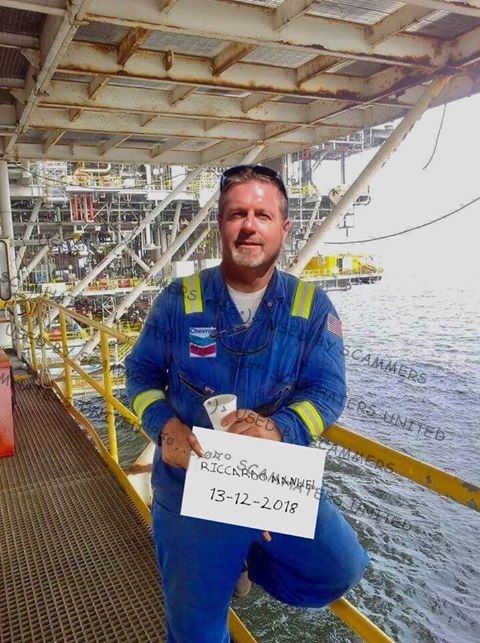
Most oil rig scam profiles use the same few types of photo:
- A man in coveralls and a hard hat, standing on a steel platform or deck
- An offshore rig or platform at sunset, with the “worker” in the foreground
- A selfie in a rig control room or on a supply boat
- A professional-looking portrait that doesn’t match the rig photos
The pictures are meant to build credibility fast. A man in work gear on a platform looks like someone with a real, remote job, and it gives the scammer a ready reason for what comes next: no signal, no video calls, and an emergency that needs money.
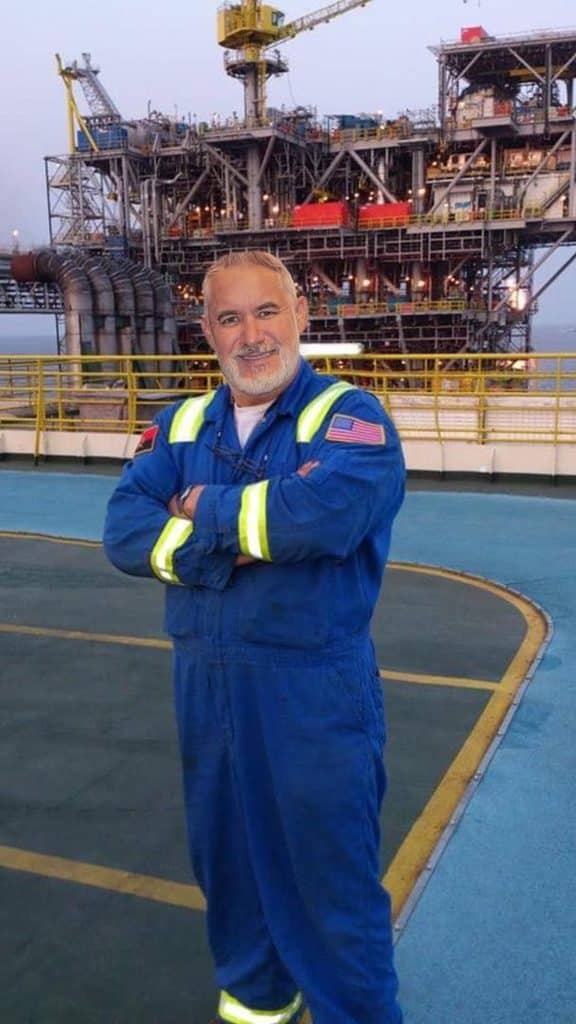
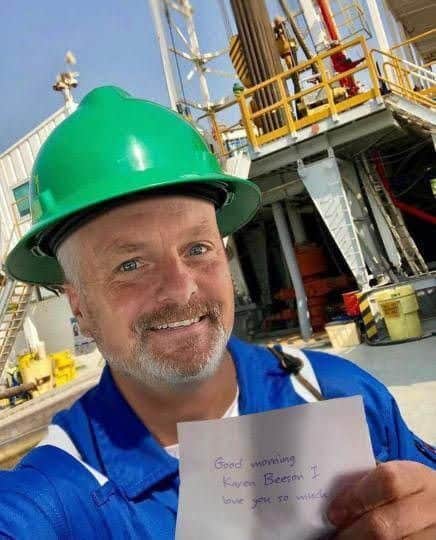
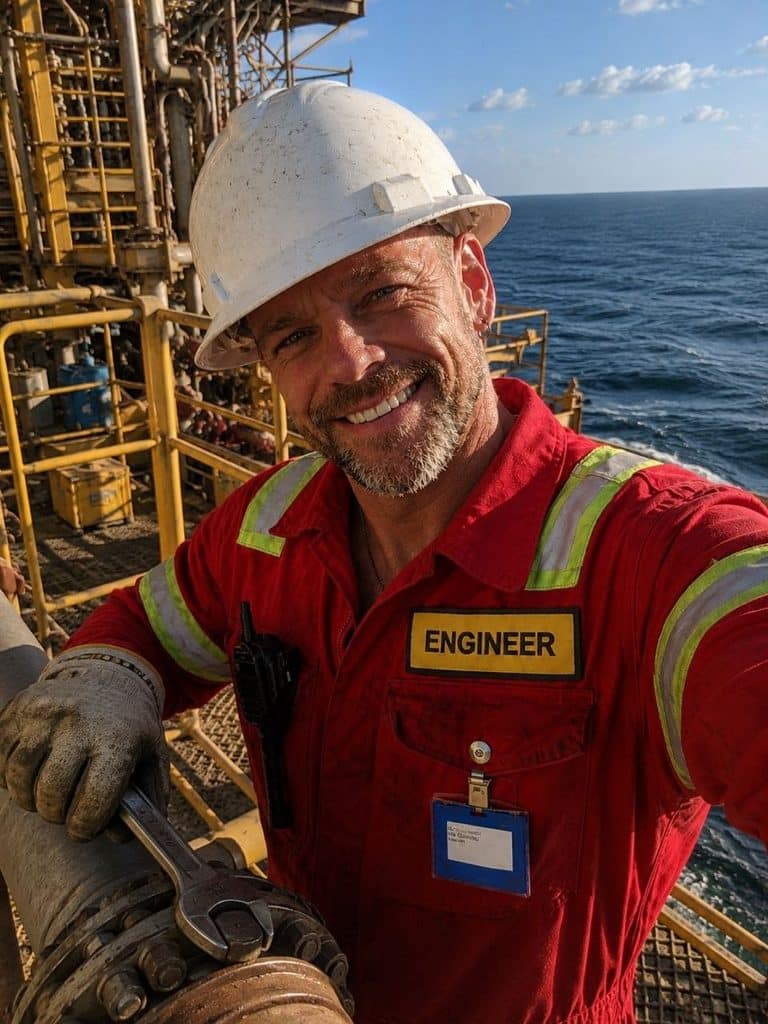
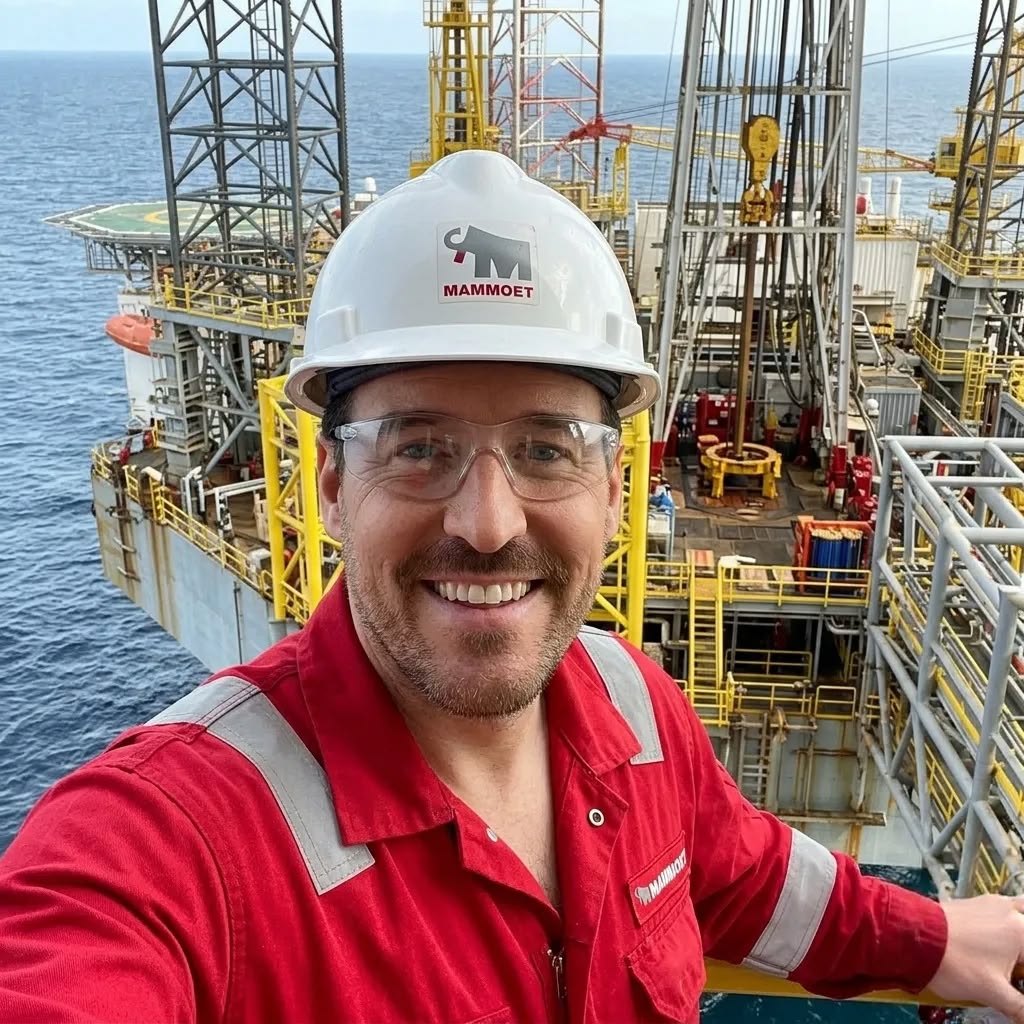
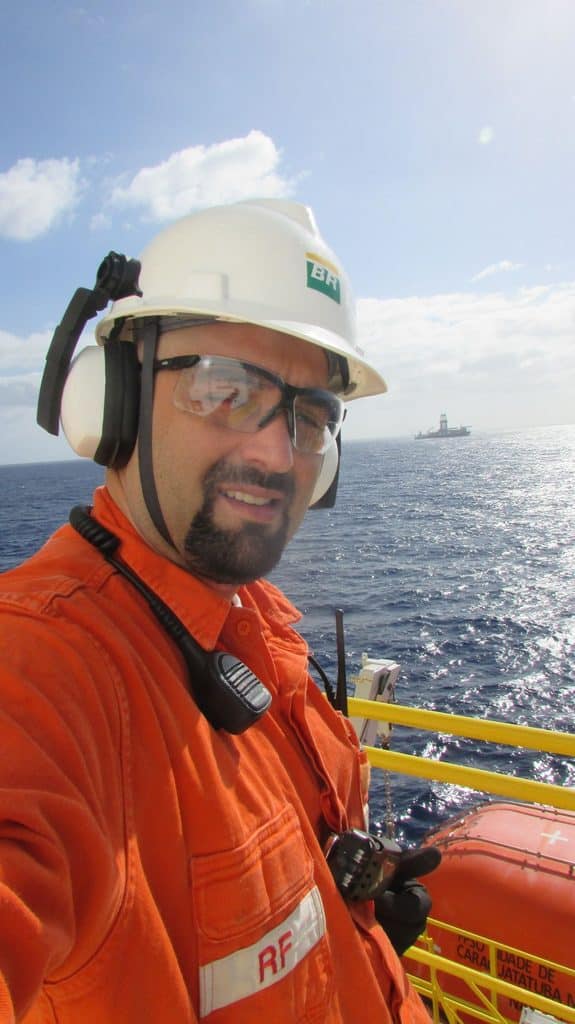
Male Oil Rig Scammer Pictures: Where They Come From
The photos usually don’t belong to the person using them. Scammers take pictures from the social media accounts of real people, often engineers, contractors and offshore workers who have no idea their photos are being used. Some scammers use photos of models, military members or other professionals instead.
Scammers also edit images. They may paste a different face onto a photo of a real worker, change the background, or add details such as a name tag or company logo. The same photo can appear under several names and jobs, so a “Robert, rig engineer” and a “Mark, army doctor” can turn out to be the same face.
Oil rig scam photos
Meet Robert. And Mark. And David.
Four made-up profiles. Tap “Next profile” and look at the photo.
Robert, 52
Oil rig engineer
Mark, 49
Army doctor
David, 55
Ship captain
Scott, 47
Offshore contractor
Profile 1 of 4
I’m on a rig far offshore. No video calls, the satellite link is too weak.
Profile 2 of 4
I’m deployed. Cameras aren’t allowed on base, so no video calls.
Profile 3 of 4
I’m at sea for months and the connection is poor. Video won’t work.
Profile 4 of 4
I can’t video call from the platform, sorry. Could you do me a small favor, though?
Profiles seen: 1 of 4
Made-up examples, not real people. A search may find nothing and can’t confirm who is behind a profile. Not for employment, tenant screening, insurance or credit decisions. Private and confidential — only you see the results.
Is This Photo Real or Edited?
Edited photos often show signs: a face that looks pasted on, lighting that doesn't match the background, blurry edges around the head or hands, or a hard hat and coveralls that look too clean. Spotting these isn't reliable on its own, because good edits are hard to see.
A better check is whether the same picture appears elsewhere under another name. A photo search can show that, though it may find nothing.
How an Oil Rig Scam Works
Oil rig scams usually follow the same path.
- A friendly start. The profile looks polished, the messages are warm, and the conversation moves quickly.
- A reason you can't meet. They say they are offshore for weeks or months, so they can't meet and the connection is poor.
- Bonding and love. Within days or weeks, they say they have strong feelings for you.
- A small request. A small favor or a modest expense tied to the job. Once you agree to something small, bigger requests feel harder to refuse.
- A bigger emergency. A broken part, a delayed payment, medical costs, or a flight home. Requests can grow large.
- More emergencies. If you pay, a new problem appears. The pattern repeats: promise, emergency, payment, and another promise.
The slow build is part of the design. By the time the first real request comes, you are already invested in the person and the story.
Name Search Examples
To get more accurate results, enter the full name including at least First name, Middle name and Last name.
Email Search Examples
Phone Search Examples
Username Search Examples
Address Search Examples
Start typing the initial part of the address and select from the addresses given dropdown afterward.
We Respect Your Privacy.
Red Flags That Go With Oil Rig Scammer Photos
- They can't video chat. Excuses include a weak satellite signal, security rules, or a broken camera. Real offshore workers can often video call at times, and a person who can't for weeks is a red flag.
- They always flake. They promise to visit, then an emergency stops them, and the emergency usually costs money.
- The love comes fast. Declarations of love within days or weeks, with no meeting, are a common pattern.
- They ask for money or gift cards. Any request for money, gift cards, wire transfers or crypto from someone you haven't met in person is the clearest warning sign.
- They push you off the platform. Moving to text or another app takes the chat away from the original site's reporting tools.
- The story has gaps. The company, the rig, the location or the schedule changes or doesn't hold up when you ask for detail.
None of these is proof alone. Several together are a reason to stop and check. For more on these lines, see romance scammer phrases and the jobs romance scammers pretend to have.
Male Scammer Names and the Oil Rig Scammer List
People often search for an oil rig scammer list or a list of male scammer names, but there isn't a reliable one. Scammers change names often and borrow real people's names, so a list goes out of date quickly and can point at the wrong person.
What victim reports do show is a pattern. In ScamWarners, a victim-run database of romance scam reports, the male names reported most are ordinary, trustworthy-sounding ones: James, David, John, Mark, Michael and Robert. They fit the story of an engineer or contractor working far from home.
A common name proves nothing. Millions of real people are named James or David. What is worth noticing is a name that doesn't match the rest of the story, such as a name and country that don't seem to belong together, or a profile name that changes between apps. For a longer breakdown, see the names romance scammers use most.
How to Check Whether the Person Is Real
Start with the photo. Scammers reuse pictures, so a photo is often the easiest thing to trace.
- Save the photos. Take clear screenshots of the profile pictures and any photos they send.
- Search the photo. If the same picture appears under other names or in other places, treat the profile with caution. A match is a reason to ask questions, not proof on its own.
- Search the name, phone number or email. If they've given you one, a search can show whether it appears under other identities.
- Ask for a live video call. Notice how they respond. A real person who wants to talk will find a way.
- Talk to someone you trust. A friend or family member can often see what you can't when you're emotionally invested.
You can run a Social Catfish search with a photo, name, email or phone number. A search may find nothing, and it can't confirm who is behind a profile.
What to Do If You Think You're Talking to an Oil Rig Scammer
- Stop sending money and personal information. Don't send more, even if the reason sounds urgent.
- Don't confront them. They have answers ready and may become more persuasive.
- Keep everything. Save messages, photos, account details and receipts.
- Report it. Use the report option on the site or app where you met them, and file a report with the FTC at ReportFraud.ftc.gov.
- Call your bank right away if you sent money. Recovery is more likely if you act quickly.
- Block and move on. Being caught by a scam doesn't mean you did anything wrong. These scams are designed by people who are good at it.
FAQ
No. Scammers change names and borrow real ones, so no list stays accurate. The names reported most are ordinary ones like James, David, John, Mark and Michael. A common name proves nothing on its own. The red flags in the story and the photos matter more.
They are usually stolen from the social media accounts of real people, often professionals or workers who don't know their pictures are being used. Some are edited so the face or background looks different.
The same ones as anywhere: photos that look too polished, love that comes fast, a story that can't be checked, no video calls, and a sudden need for money. Any one alone can be innocent. Together they are worth checking.
Run a photo search with Social Catfish. If the same picture appears under other names or in other places, treat the profile with caution. A search may find nothing, and a match is a reason to ask questions, not proof on its own.
Sometimes, but not reliably. Names change, though the same photos or small details often get reused. If you have an email or phone number, a search can show whether that contact detail appears under other profiles.
The Bottom Line
Oil rig scammer pictures are a tool for building trust quickly. The picture alone doesn't tell you much, but the pattern around it does: a remote job, no video calls, love that comes fast, and then a request for money. Check the photo and the name early, before you share more or send anything.
Name Search Examples
To get more accurate results, enter the full name including at least First name, Middle name and Last name.
Email Search Examples
Phone Search Examples
Username Search Examples
Address Search Examples
Start typing the initial part of the address and select from the addresses given dropdown afterward.
We Respect Your Privacy.