

 Multiple Faces Detected


 September 17th, 2026
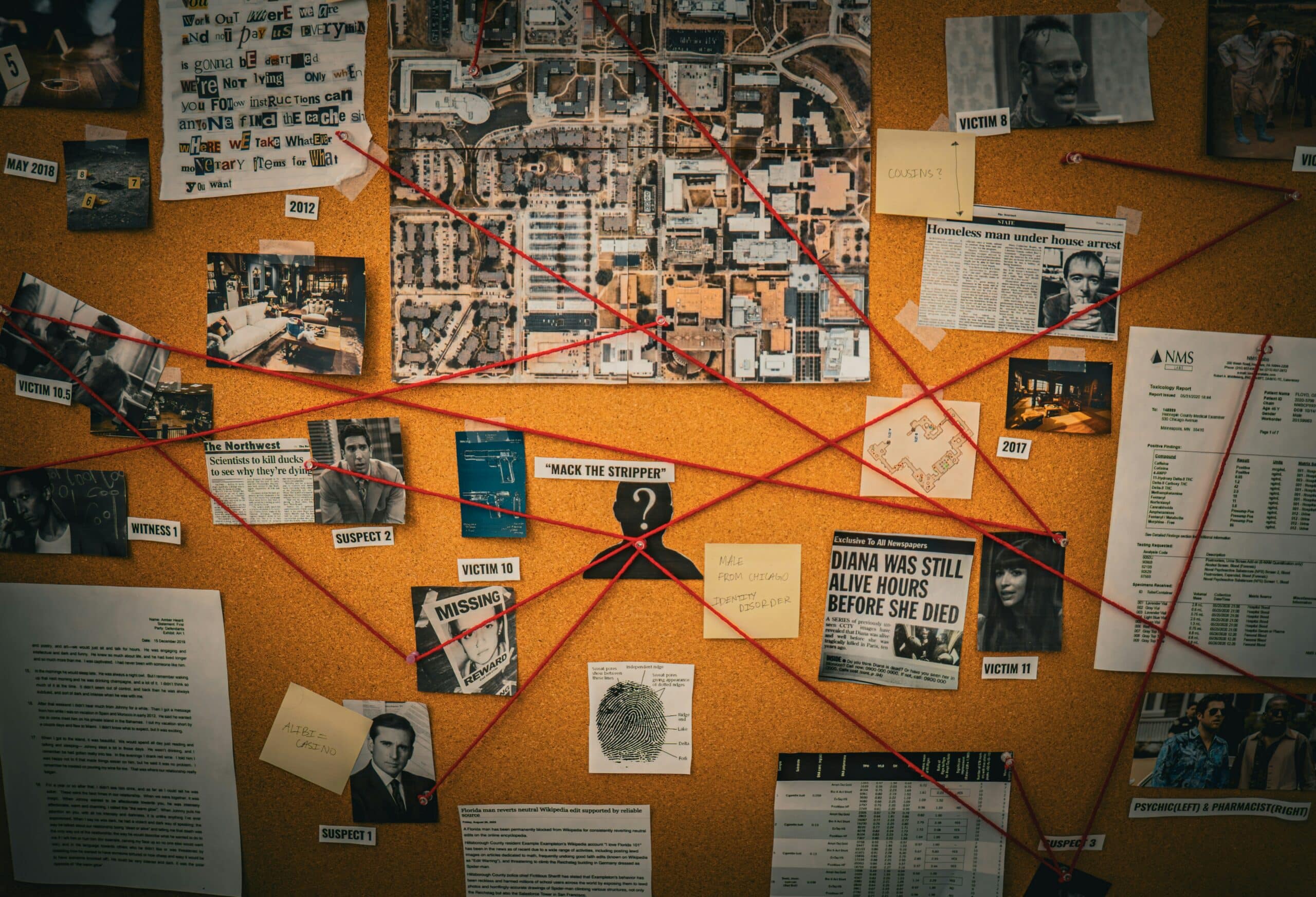
Finding out whether someone has a problematic past before you date them, hire them, go into business with them, or lend them money is a legitimate and increasingly common use of publicly available information. The good news is that most of what people consider “dirt” criminal records, court judgments, fake identities, and pattern behavior on social media is findable through public sources without any specialized access. Here is where it actually surfaces and how to look.
Name Search Examples
To get more accurate results, enter the full name including at least First name, Middle name and Last name.
Email Search Examples
Phone Search Examples
Username Search Examples
Address Search Examples
Start typing the initial part of the address and select from the addresses given dropdown afterward.
We Respect Your Privacy.
Legal Framing First

Everything in this guide covers publicly available information that anyone can access legally. This includes public court records, social media posts set to public, reverse image search results, news archives, and people-search databases that aggregate public record data.
What this guide is not for:
This information cannot legally be used to make decisions about employment, tenant screening, credit, or any other purpose regulated by the Fair Credit Reporting Act. For those decisions, you need an FCRA-compliant background check service. Using people-search results for hiring, renting, or lending decisions without FCRA compliance exposes you to legal liability regardless of what you find.
For personal due diligence, deciding whether to date someone, trust a new business contact, or lend money to an acquaintance, public records research is legal, widely practiced, and exactly what these tools are built for.
The 5 Places Dirt Actually Surfaces
Before going into depth on each, here is the practical map:
- Social media — public posts, tagged photos, group memberships, and undisclosed dating profiles reveal character and consistency of identity
- Reverse image search — catches reused profile photos, fake identities, and the same face appearing under different names
- Public records — criminal records, court filings, eviction records, and marriage and divorce records are publicly accessible in most US jurisdictions
- News and press mentions — local news archives, mugshot aggregators, and business press releases surface incidents that never make it onto social media
- Review and complaint sites — BBB complaints, Ripoff Report, Glassdoor, and similar platforms document patterns of behavior in business and professional contexts
Social Media: What to Actually Look For
A surface-level social media check finding their Facebook and confirming they exist misses most of what matters. Useful social media research goes several layers deeper.
Public Posts and Tagged Photos
A public social media history is a behavioral record. What you are looking for is not any single post but patterns across time.
Signals worth noting:
- Posts expressing extreme, hostile, or erratic views that feel inconsistent with how they present themselves in person
- Tagged photos placing them in contexts they have not mentioned or that contradict their account of their own life
- A posting pattern that shifted significantly at a specific time — a period of unusual inactivity, a sudden change in content type, or posts that disappeared and left gaps
- Responses to other people’s posts that reveal how they behave in conflict or disagreement
Profile Consistency Across Platforms
Someone whose identity is consistent across platforms same name, same photos, same biographical details presents a different risk profile than someone whose identity varies significantly from one platform to another. Searching their name across Instagram, Twitter, TikTok, Facebook, and LinkedIn and comparing what appears on each is a basic consistency check.
Inconsistencies worth investigating:
- Different ages, locations, or employment history across platforms
- Profile photos that do not match across accounts they claim are theirs
- A platform presence that appears to have been built recently despite claiming a long history
Undisclosed Dating App Presence
For anyone you are considering dating, checking whether they have active profiles on dating apps they have not mentioned is directly relevant. Dating apps block Google search indexing, which means a standard web search will not surface them. Social Catfish’s cross-platform search covers dating apps directly: Tinder, Bumble, Hinge, Match, and others, returning any active profiles connected to the name, phone number, email, or photo you enter.
Reverse Image Search: Catching Fake Identities and Reused Photos
A profile photo is the single most easily falsified element of any online identity. Reverse image search is the fastest available check for whether a photo belongs to the person using it.
What to Search
Save any photo the person uses as a profile picture and upload it to Social Catfish’s reverse image search. The facial recognition finds where that face appears online and under what names.
What this catches:
- The same photo appearing under a completely different name on another platform, confirming the identity is fabricated using stolen photos
- A profile photo that traces back to a model, a stock photo library, or someone else’s social media, confirming the photo is borrowed
- The same face appearing across multiple accounts under different names, indicating organized fake profile activity or a pattern of creating new identities
Why Google Images is not enough:
Google Images matches image files. A photo that has been slightly cropped, filtered, or re-uploaded will not match even when the original is indexed. Social Catfish uses facial recognition, which finds the same face across different photos regardless of file-level differences. This is the specific gap that makes a dedicated facial recognition search more reliable than Google for this purpose.
Name Search Examples
To get more accurate results, enter the full name including at least First name, Middle name and Last name.
Email Search Examples
Phone Search Examples
Username Search Examples
Address Search Examples
Start typing the initial part of the address and select from the addresses given dropdown afterward.
We Respect Your Privacy.
News, Press, and Reputation Sites
Local news archives surface incidents that never appear on social media and that most people assume have been forgotten.
Local News Search
Search the person’s full name in quotes in Google News alongside their city or state. Local news covers court cases, business disputes, accidents, and incidents that regional outlets report but that do not reach national coverage. The most useful results are often several years old, recent enough to be relevant but old enough that the person may assume the coverage has disappeared.
Mugshot Aggregator Sites
Sites including Mugshots.com and similar aggregators publish arrest photos from public booking records. These are controversial and, in some states, subject to removal requirements, but they surface arrests that may not appear in standard search results. Searching a name on these sites is a supplementary check rather than a primary one.
BBB and Business Complaint Sites
For anyone you are researching in a professional or business context:
- Better Business Bureau at bbb.org — complaint history, business ratings, and responses to complaints
- Ripoff Report at ripoffreport.com — consumer-submitted complaints, particularly useful for small businesses and individual contractors
- Glassdoor at glassdoor.com — employee reviews that document management behavior and workplace culture for anyone who has run or managed a business
- Trustpilot — customer reviews that sometimes surface patterns in how someone runs a business
A single complaint on any of these sites is not meaningful. A pattern of similar complaints across multiple platforms and over time is.
What One Social Catfish Search Pulls Up vs. Checking Each Source Manually
Checking social media, running a reverse image search, pulling court records across multiple state databases, searching news archives, and reviewing complaint sites manually take several hours and still leave gaps, particularly for dating app profiles that do not appear in any of the above.
Social Catfish cross-references a name, phone number, email address, username, or photo against all of these sources simultaneously and returns:
- Linked social media accounts including accounts the person has not disclosed, across platforms including dating apps
- Reverse image matches showing where the profile photo appears and under what names
- Criminal and court records from public record databases
- Aliases and past names connected to the same identity
- Address and contact history confirming whether the person’s account of their own background is consistent with public records
The specific advantage over manual checking:
Dating app profiles, which are the most relevant source for personal due diligence in dating contexts, are not findable through any of the manual methods above because dating platforms block search engine indexing. Social Catfish covers them directly as part of the cross-platform search. This is the gap that no combination of free manual methods fills.
All searches are completely confidential. The person being searched receives no notification.
Checking One Site at a Time Misses What’s Connected. One Search Doesn’t.
| Checking social media one platform at a time | Slow |
| Misses profiles run under a different name or photo | Blind Spot |
| No way to connect scattered records to one person | Disconnected |
| Name, photo, and public records cross-checked in one search | Connected |
Dirt doesn’t sit in one place — a reused photo here, a record there, a dating profile under a different name somewhere else. A real search cross-references all of it at once, so you see the full picture instead of whatever one site happens to show you.
Uncover the Full PicturePrivate and confidential — only you see the results.
FAQ
Yes. Public court records, public social media posts, news archives, and people-search databases that aggregate public record data are all legally accessible to anyone. The legal restriction is on using this information for regulated decisions employment, tenant screening, or credit which require FCRA-compliant tools and processes.
Google the person’s full name in quotes alongside their city and check what surfaces in the first three pages of results, in Google Images, and in Google News. It misses dating app profiles, unindexed court records, and anything behind platform privacy settings, which is where a paid people-search tool fills the gap.
Yes, in most US jurisdictions. State court websites and county clerk portals maintain publicly searchable criminal court databases. Search your state name alongside court records search to find the relevant portal.
A clean result from a standard reverse image search like Google Images means the specific image file has not appeared in Google’s indexed web. It does not confirm the photo is genuine. A photo that has been cropped, filtered, or slightly modified before use will not match even when the source is indexed. Social Catfish’s facial recognition search covers these cases by analyzing the face rather than the file, which is why it catches cases that Google misses.
What you do with the information depends on the relationship and the severity of what you found. In a dating context, a finding that contradicts what someone has told you directly is a legitimate reason to ask direct questions or to disengage before the relationship deepens.
Conclusion
Most of what people describe as finding dirt on someone is findable through public sources; the challenge is knowing where to look and having the time to check each one systematically. Social media consistency checks, reverse image search, state court records, local news archives, and complaint sites together cover the most common categories of past behavior that are worth knowing before you extend trust or money to someone. Social Catfish consolidates those checks into a single search and adds dating app profile coverage that no combination of free methods reaches. The information is public. The question is whether you have the full picture before it matters.
Name Search Examples
To get more accurate results, enter the full name including at least First name, Middle name and Last name.
Email Search Examples
Phone Search Examples
Username Search Examples
Address Search Examples
Start typing the initial part of the address and select from the addresses given dropdown afterward.
We Respect Your Privacy.