
 Multiple Faces Detected



 November 19th, 2026
Cyber attacks have become a common threat to individuals and organizations alike. One type of attack that has gained notoriety in recent years is the zero day attack. But what exactly is a zero day attack and how does it differ from other types of cyber attacks? In this blog post, we will delve into the details of zero day attacks and provide you with the necessary information to protect yourself and your organization.
Definition of Zero Day Attack
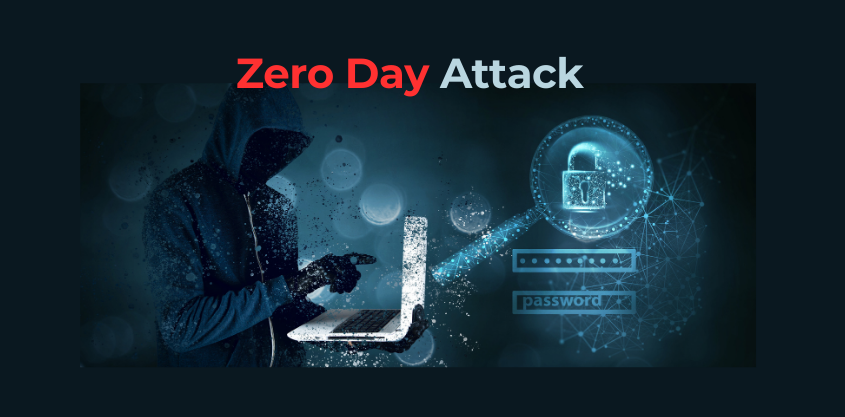
A zero day attack is a type of cyber attack that exploits a previously unknown vulnerability in a software or system. This vulnerability is known as a “zero day” because the developers of the software or system have had zero days to fix it before it is exploited by hackers. In other words, the attack occurs on the same day that the vulnerability is discovered.
Zero day attacks are considered to be one of the most dangerous and difficult to defend against because they take advantage of unknown vulnerabilities. This means that even the most secure systems can be vulnerable to a zero day attack.
How Does a Zero Day Attack Work?
A zero day attack typically starts with a hacker discovering a vulnerability in a software or system. They then create a malicious code or exploit that takes advantage of this vulnerability. This code is then used to launch the attack on unsuspecting victims.
The attack can take various forms, such as phishing emails, malicious links, or infected files. Once the victim interacts with the malicious code, the attacker gains access to their system and can steal sensitive information, install malware, or even take control of the system.
Why are Zero Day Attacks Dangerous?
Zero day attacks are dangerous for several reasons. Firstly, they are difficult to detect and defend against because they exploit unknown vulnerabilities. This means that traditional security measures, such as antivirus software, may not be able to detect and prevent the attack.
Secondly, zero day attacks can cause significant damage to individuals and organizations. They can result in financial losses, data breaches, and damage to reputation. In some cases, they can even disrupt critical infrastructure and services.
How to Protect Yourself Against Zero Day Attacks
While it may seem daunting to defend against a type of attack that exploits unknown vulnerabilities, there are steps you can take to protect yourself and your organization.
1. Keep your software and systems up to date: Developers often release patches and updates to fix known vulnerabilities. By keeping your software and systems up to date, you can reduce the risk of falling victim to a zero day attack.
2. Use reputable security software: While traditional security measures may not be able to detect and prevent zero day attacks, using reputable security software can still provide an additional layer of protection.
3. Be cautious of suspicious emails and links: Zero day attacks often start with phishing emails or malicious links. Be cautious of emails from unknown senders and avoid clicking on suspicious links.
4. Educate yourself and your employees: Awareness is key in preventing zero day attacks. Educate yourself and your employees on the signs of a potential attack and how to avoid falling victim to one.
Social Catfish
Social Catfish is not designed to directly prevent zero-day attacks, which are security vulnerabilities unknown to software vendors and users that hackers exploit before patches are available. Zero-day attacks typically involve sophisticated malware or vulnerabilities within software systems, requiring specialized cybersecurity measures for prevention, like antivirus software, intrusion detection systems, and regular software updates.
However, Social Catfish can play a supporting role by helping users identify and avoid suspicious or malicious online activity that could lead to zero-day attacks. For instance, it can verify the legitimacy of email sources, websites, or profiles, reducing the risk of phishing attempts that may introduce malware exploiting zero-day vulnerabilities. By helping users avoid interacting with suspicious sources, Social Catfish indirectly contributes to better digital security, minimizing the chances of exposure to potential zero-day threats. Use the search bar below to get started verifying the legitimacy of people.
Name Search Examples
To get more accurate results, enter the full name including at least First name, Middle name and Last name.
Email Search Examples
Phone Search Examples
Username Search Examples
Address Search Examples
Start typing the initial part of the address and select from the addresses given dropdown afterward.
We Respect Your Privacy.
Conclusion
In conclusion, a zero day attack is a type of cyber attack that exploits unknown vulnerabilities in software or systems. They are difficult to detect and defend against, making them a dangerous threat to individuals and organizations. However, by staying vigilant and following the steps outlined in this blog post, you can reduce the risk of falling victim to a zero day attack.
Remember, prevention is always better than cure when it comes to cyber attacks. Stay informed and take the necessary precautions to protect yourself and your organization from the dangers of zero day attacks.