

 Multiple Faces Detected



 November 19th, 2026
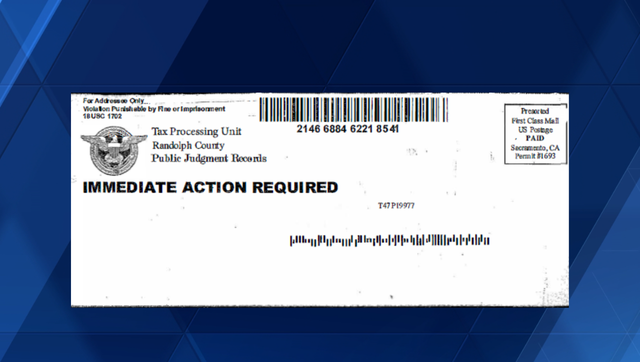
With tax season just around the corner, it’s important for adults to be aware of potential scams that could put their personal and financial information at risk. One scam that has been gaining attention recently is the Tax Processing Unit scam. In this blog post, we will discuss what exactly this scam is, how it works, and most importantly, how you can protect yourself from falling victim to it.
What is The Tax Processing Unit Scam?
The Tax Processing Unit scam is a type of phishing scam that targets individuals during tax season. Phishing scams are fraudulent attempts to obtain sensitive information, such as passwords, credit card numbers, and social security numbers, by posing as a legitimate entity. In the case of the Tax Processing Unit scam, scammers pose as the Internal Revenue Service (IRS) and attempt to obtain personal information from unsuspecting victims.
The scam begins with an email or phone call from someone claiming to be from the Tax Processing Unit, a fake department within the IRS. They will inform the victim that there is an issue with their tax return and that they need to verify their personal information in order to resolve the issue. The scammers may even use scare tactics, such as threatening legal action or claiming that the victim will be arrested if they do not comply.
If the victim falls for the scam and provides their personal information, the scammers can use it for identity theft or to file fraudulent tax returns in the victim’s name. This can lead to a variety of issues, including tax refund delays, identity theft, and financial loss.
How Does The Tax Processing Unit Scam Work?
Now that we understand the basics of the Tax Processing Unit scam, let’s take a closer look at how it works. The scammers use several tactics to make their scam seem legitimate and convince victims to provide their personal information. These tactics include:
- Fake Caller ID: Scammers can use technology to manipulate caller ID and make it appear as though they are calling from an official IRS number.
- Urgent and Threatening Language: The scammers will use urgent and threatening language to scare victims into providing their personal information. They may also threaten legal action or claim that the victim will be arrested if they do not comply.
- Impersonating IRS Employees: Some scammers will go as far as to impersonate legitimate IRS employees, using fake names and badge numbers to appear more convincing.
- Requesting Personal Information: The main goal of the scammers is to obtain personal information such as social security numbers, credit card numbers, and bank account information. They may also ask for personal details, such as date of birth and address, in order to make their scam seem more legitimate.
How to Protect Yourself from The Tax Processing Unit Scam
Now that you know what the Tax Processing Unit scam is and how it works, it’s important to take steps to protect yourself from falling victim. Here are some tips to keep in mind:
- Be Wary of Unsolicited Calls or Emails: The IRS will never initiate contact with taxpayers by email, text message, or social media. They will always contact you by mail first.
- Do Not Give Out Personal Information: The IRS will never ask for personal information over the phone or through email. If someone claiming to be from the IRS asks for personal information, it is most likely a scam.
- Verify the Caller’s Identity: If you receive a call from someone claiming to be from the IRS, ask for their name, badge number, and callback number. Then, call the IRS directly at 1-800-829-1040 to verify the information.
- Do Not Engage with Scammers: If you receive a call or email from a potential scammer, do not engage with them. Simply hang up the phone or delete the email.
- Report Suspicious Activity: If you receive a suspicious call or email, report it to the IRS by forwarding the email to phishing@irs.gov or by calling 1-800-366-4484.
Conclusion
The Tax Processing Unit scam is just one of many scams that target individuals during tax season. It’s important to stay vigilant and be aware of potential red flags in order to protect yourself from falling victim. Remember, the IRS will never contact you by email, text message, or social media, and they will never ask for personal information over the phone. If you receive a call or email that seems suspicious, trust your instincts and take the necessary precautions to protect yourself.
We hope this blog post has provided you with valuable information about the Tax Processing Unit scam and how to protect yourself from it. Stay safe this tax season and be aware of potential scams that could put your personal and financial information at risk.